730+
Satisfied Customers
Experience supporting digital projects across different business requirements.

Progressive Web Applications
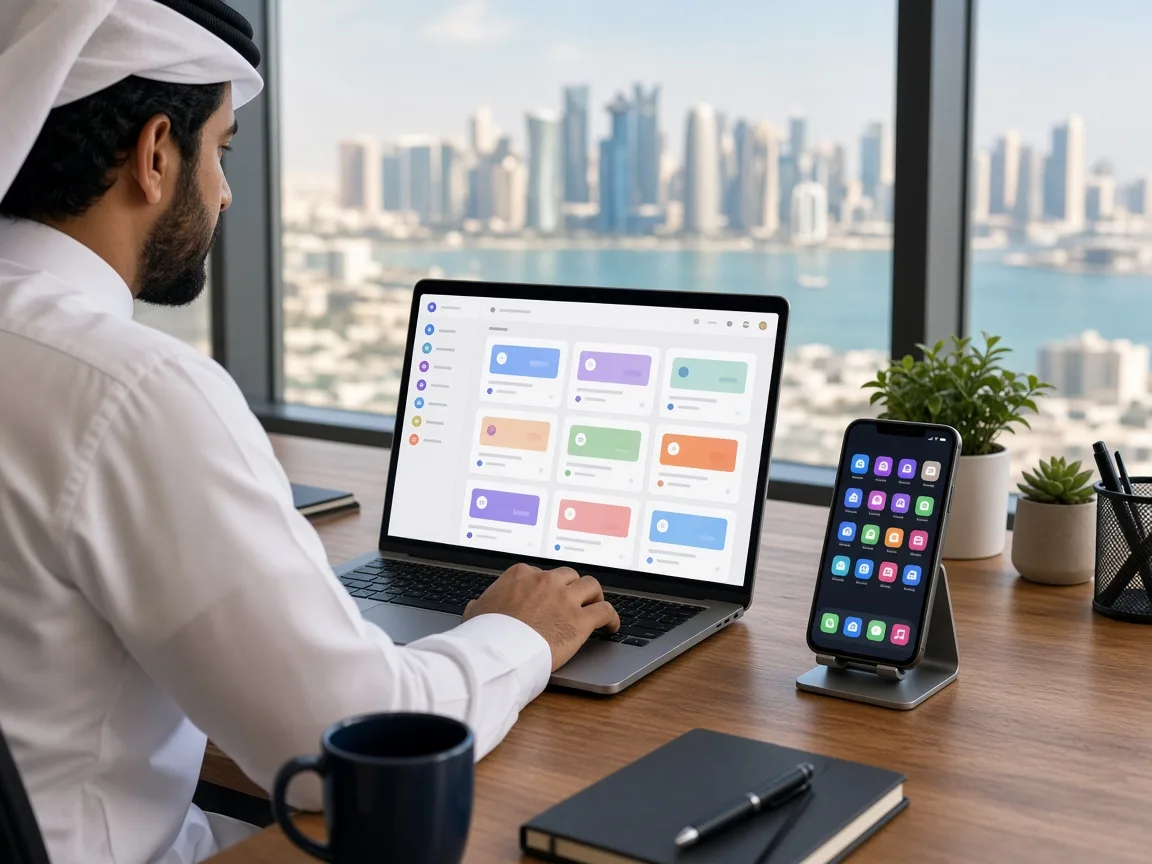
Build faster, more accessible digital experiences with Techanic Infotech QA, a PWA development company in Qatar helping businesses turn web platforms into installable, responsive, and engaging progressive web applications.
Our PWA development services combine responsive interfaces, reliable performance, offline capabilities, and app like functionality to help organisations improve digital accessibility without requiring users to download a traditional application from an app store.
Whether you are launching a new digital product, modernising an existing website, or extending an ecommerce platform, our team can help you plan and develop a progressive web application aligned with your business objectives.
Techanic Infotech QA brings software engineering experience and structured delivery practices to businesses seeking modern web application development.
730+
Experience supporting digital projects across different business requirements.
70+
A multidisciplinary team covering application engineering, interface development, and technical implementation.
5+
Practical experience in delivering digital solutions and supporting evolving technology requirements.
99%
A company stated retention figure that reflects its focus on ongoing client relationships.
Our PWA development services help businesses create web applications that combine the reach of websites with selected capabilities commonly associated with mobile applications.
Tap a service to view details, features, and next steps.
Build a progressive web application around your business model, user journeys, operational processes, and product requirements. We define the application structure, core features, and technical architecture before development begins.
Give customers and employees a convenient way to access your digital services through a progressive web application designed around performance, accessibility, and practical functionality.
Techanic Infotech QA can help you assess the suitability of PWA technology, define essential features, and plan a development roadmap that aligns with your operational goals in Qatar.

Explore representative PWA concepts that demonstrate how progressive web application technology can support different business models.
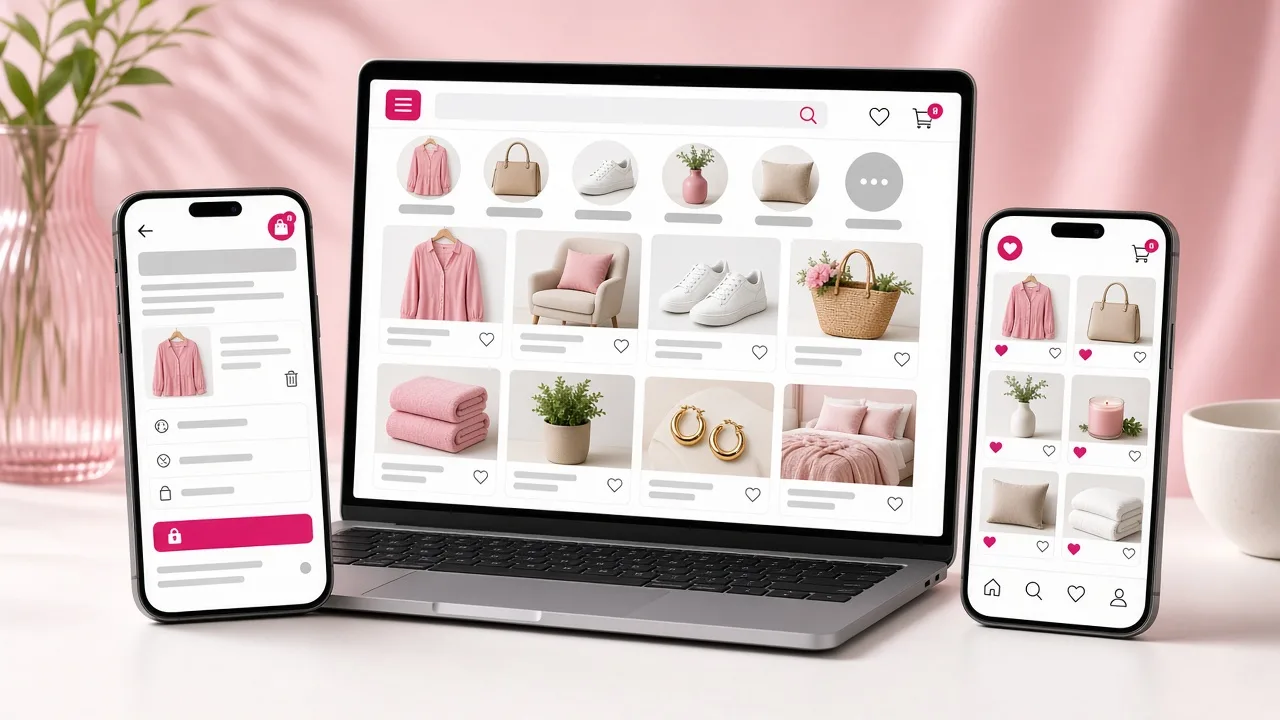
Retail PWAConcept
A product discovery and shopping experience with searchable catalogues, customer accounts, saved items, and streamlined checkout.
Choosing a PWA development partner requires more than interface design. Businesses need a team that understands browser capabilities, performance, application security, and integration requirements.
We define the user journeys, business goals, device requirements, and essential application capabilities before selecting the implementation approach.
We consider loading performance, asset optimisation, responsive rendering, caching behaviour, and efficient network requests throughout the development process.
We plan secure authentication, authorisation, encrypted communication, session handling, and appropriate protection for sensitive business information.
We assess how the PWA will communicate with existing APIs and business platforms, including the handling of connectivity interruptions and integration failures.
We aim to create understandable, modular code that supports future improvements, testing, and ongoing maintenance.
We establish clear deliverables, milestones, testing expectations, and communication practices so stakeholders can review progress throughout implementation.
A well planned progressive web application can help businesses in Qatar improve digital accessibility, simplify customer journeys, and make online services more convenient across supported devices.
Optimised loading strategies and efficient resource delivery can reduce unnecessary waiting, helping users reach important information and features more quickly.
Installable experiences, responsive layouts, and convenient navigation can encourage users to return to frequently used services without requiring a traditional app store download.
A PWA can provide a consistent experience across supported mobile phones, tablets, and desktop browsers, reducing the need to maintain separate interfaces for every device category.
Service workers and caching can make selected pages and features available during intermittent connectivity. The level of offline support depends on application architecture and the information cached in advance.
Where business requirements allow, a shared web application can reduce duplicated development effort compared with building and maintaining separate native applications for multiple platforms.
Clear navigation, optimised forms, efficient product discovery, and streamlined checkout experiences can reduce friction throughout customer interactions.
Web applications can support iterative updates through controlled deployments, allowing businesses to improve features without relying on users to install every application update manually.
Businesses across Qatar need digital platforms that support mobile accessibility, reliable service delivery, multilingual communication, and responsible data management. Progressive web applications can contribute to these objectives when designed around the needs of local users.
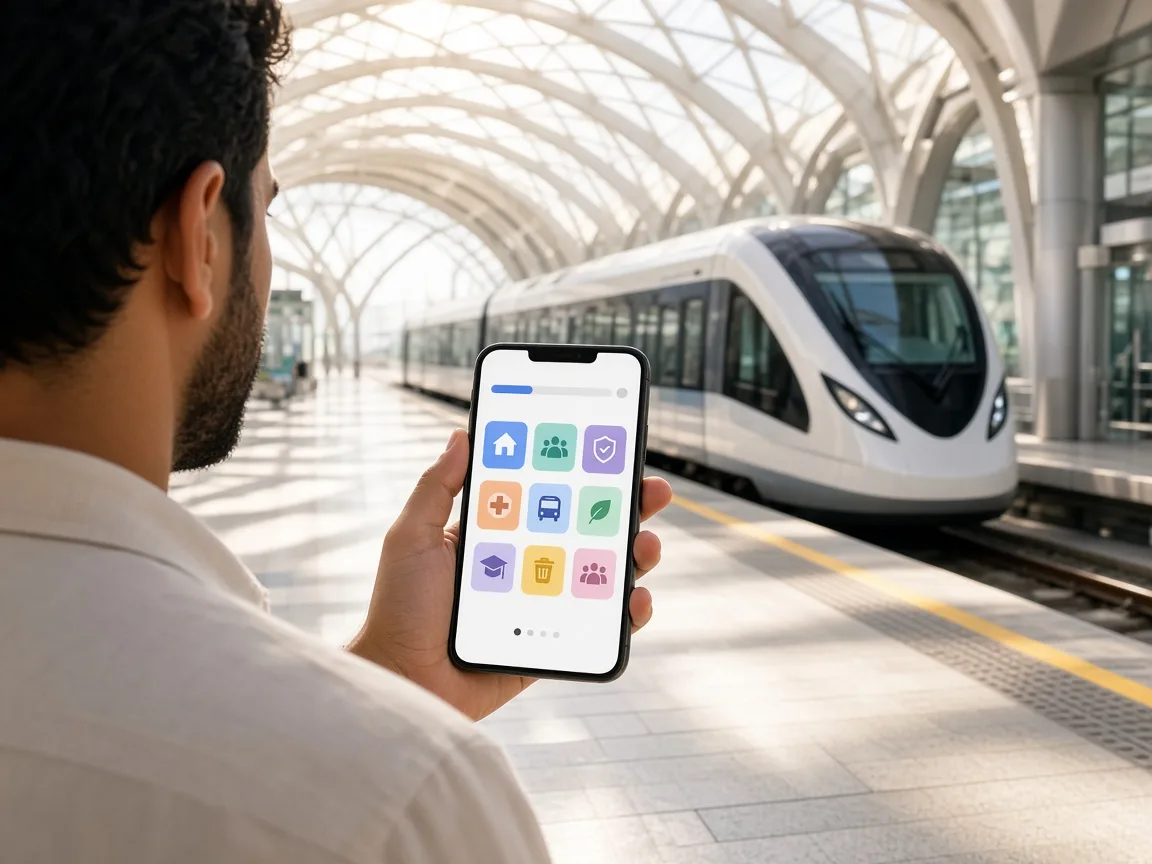
Digital services can support broader goals around economic development, knowledge based activity, and efficient service delivery. A PWA project should connect these ambitions to specific business outcomes, such as easier service access or improved operational workflows.
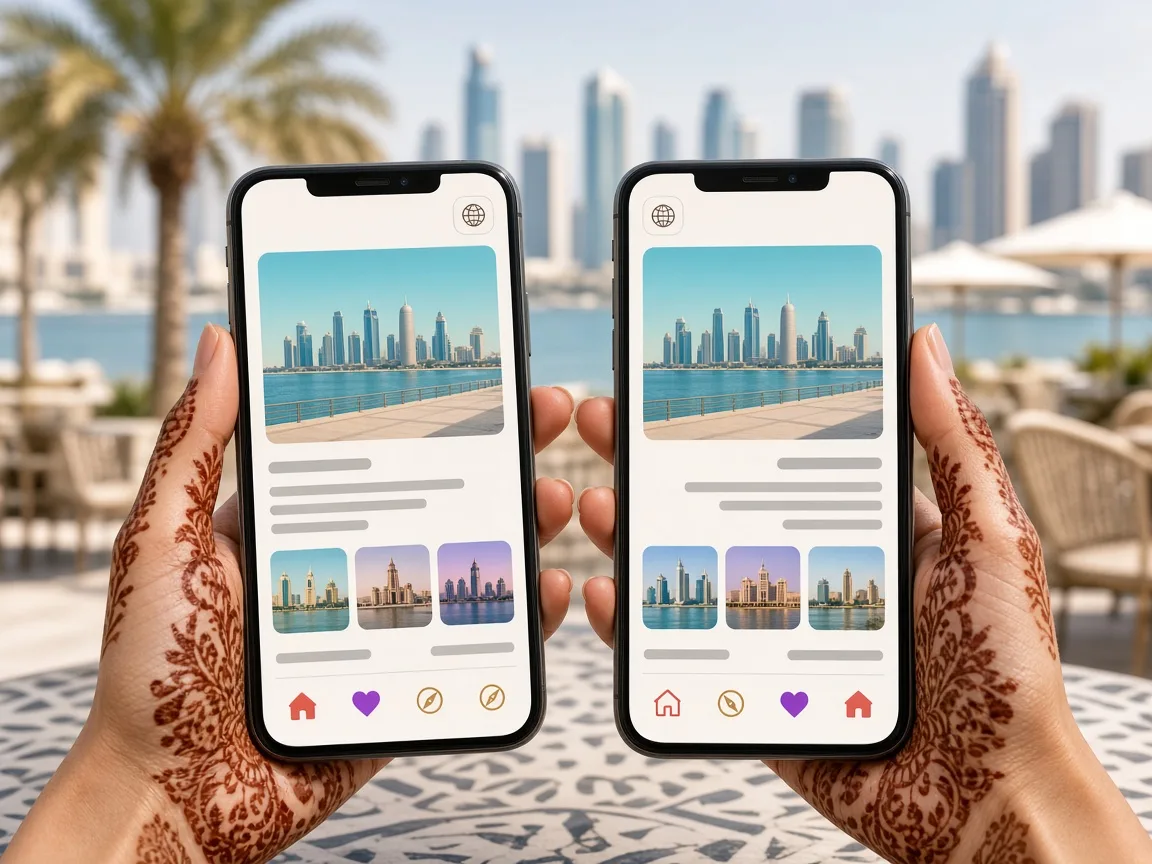
We plan language selection, content structure, typography, and right to left layouts to support Arabic alongside English. Both versions should receive proper interface testing rather than relying on automatic text translation alone.

Responsive interfaces can help customers and employees access digital services from smartphones and other supported devices, with layouts adapted to different screen sizes and input methods.

For workflows that operate in locations with inconsistent connectivity, we can assess whether cached content, queued actions, and synchronisation controls are appropriate. Sensitive actions should not be treated as successfully completed until the server confirms them.

Applications handling personal information should be assessed against Qatar's applicable Personal Data Privacy Protection Law, relevant regulatory requirements, and the organisation's own data governance policies.

A PWA can connect with existing systems through secure APIs, subject to technical compatibility and access permissions. This can help businesses improve digital experiences without automatically replacing every underlying platform.

Hosting decisions should reflect performance, contractual requirements, applicable regulations, data sensitivity, and disaster recovery needs. Qatar based hosting or regional cloud infrastructure should be evaluated where appropriate instead of assumed to be mandatory for every project.
Hear from businesses in Qatar that worked with Techanic Infotech QA on progressive web app projects.
Our retail team wanted customers to access product information and shopping features more conveniently on mobile devices. A carefully planned PWA could help simplify that experience while keeping the website central to our digital strategy.
We needed an internal platform that employees could use across different devices. The important considerations were straightforward navigation, reliable access to selected information, and a clear approach to synchronising updates when connectivity returned.
Our service platform needed a more responsive interface for customers using mobile browsers. We wanted the project to prioritise usability, bilingual content, performance, and secure connections with our existing systems.
Selecting a PWA development company in Qatar involves assessing technical capability, project communication, integration experience, and the ability to support changing business requirements.
We begin by understanding the intended users, core workflows, existing digital assets, and measurable goals. This helps establish whether a PWA is the right approach for the project.
We plan user journeys and interface layouts for different screen sizes, with attention to accessibility, readable content, touch interactions, and Arabic and English presentation.
We assess frameworks, browser capabilities, backend architecture, and integration requirements according to the project's scope rather than choosing technologies simply because they are popular.
We identify which features can safely operate with cached data and which require a live connection. This distinction is especially important for payments, account changes, and other sensitive transactions.
We consider secure authentication, access controls, data transmission, dependency management, and protection against common web application risks.
We plan connections with relevant ecommerce platforms, CRM tools, ERP systems, inventory services, and other APIs where technical access is available.
We establish project phases, review points, testing responsibilities, and acceptance criteria so stakeholders can understand the scope and assess progress.
We can plan ongoing technical support, performance reviews, browser compatibility updates, and feature enhancements based on the agreed engagement.
PWA technology continues to evolve. The most appropriate capabilities depend on browser support, device behaviour, user permissions, security requirements, and the business use case.
Tap a technology below to switch details
Service workers can support offline access, cache management, and selected background behaviours. Cache strategies should account for content freshness, storage limits, and the handling of sensitive information.
A progressive web application should be designed with appropriate protections for its users, data, APIs, and business operations. Security needs vary according to the information processed and the application's purpose.
Serve application resources through HTTPS and configure secure transport policies. Service workers generally require a secure context, with limited exceptions for local development.
Implement suitable sign in flows, session management, access controls, and server side authorisation. Interface restrictions alone are not sufficient to protect confidential resources.
Validate requests, enforce permissions, limit unnecessary data exposure, and apply suitable protections against abuse. API credentials and sensitive secrets should not be embedded in publicly accessible client code.
Avoid caching sensitive account information or confidential responses without a deliberate security assessment. Define cache expiration, invalidation, and logout behaviour carefully.
Review applicable obligations under Qatar's Personal Data Privacy Protection Law and any sector specific rules relevant to the organisation. Legal and compliance teams should validate the requirements for each deployment.
Assess content security policies, third party scripts, software dependencies, and update procedures. Restricting untrusted scripts and maintaining dependencies can help reduce avoidable security risks.
Use suitable payment providers and server verified transaction outcomes. Avoid storing payment credentials unnecessarily, and assess relevant payment security obligations with the chosen provider.
Combine code review, dependency scanning, functional testing, security testing, and appropriate monitoring. Security controls should continue after launch as the application and its dependencies change.
Techanic Infotech QA follows a structured development approach that connects business requirements with design, engineering, testing, and deployment.
Phase 1
Understand business objectives and target users.
Review the existing website, systems, and technical constraints.
Identify required features, offline scenarios, and integration points.
Define project scope, priorities, and acceptance criteria.
Different organisations require different levels of delivery support. Techanic Infotech QA can structure a PWA engagement around the project's scope, internal resources, and maintenance expectations.
Suitable for projects with clearly defined features, deliverables, acceptance criteria, and a stable timeline. The agreed scope provides a baseline for planning cost and delivery.
Suitable for larger applications or evolving product roadmaps that require ongoing collaboration across frontend engineering, backend development, UI UX design, and quality assurance.
Suitable for organisations that already have an internal team and need additional expertise for selected areas such as service workers, responsive interfaces, API integration, or performance optimisation.
Suitable for businesses that need help evaluating whether a PWA is appropriate, reviewing an existing architecture, identifying technical risks, or defining a delivery roadmap before committing to full development.
Suitable for launched applications that need dependency updates, compatibility checks, performance improvements, defect resolution, and incremental feature development.
The cost of developing a progressive web application in Qatar depends on feature complexity, interface requirements, integrations, security needs, offline functionality, and ongoing maintenance.
For planning purposes, the following are indicative estimates in Qatari riyals. Actual costs depend on the agreed scope and technical specifications.
QAR 20,000 to QAR 40,000
Suitable forBusinesses that need a responsive, installable web application with essential functionality.
Typical inclusions
QAR 40,000 to QAR 90,000
Suitable forBusinesses that require interactive features, backend integration, customer accounts, and more advanced application workflows.
Typical inclusions
QAR 90,000 to QAR 150,000+
Suitable forEnterprise platforms, ecommerce applications, and complex digital products with multiple integrations or operational requirements.
Typical inclusions
Start by identifying the essential features required for launch. Separate those features from improvements that can be introduced later, then estimate the effort associated with integrations, testing, deployment, and maintenance.
Techanic Infotech QA can help define a phased development plan that aligns the initial scope with your available budget and longer term product goals.
Selecting the right development partner requires evaluating technical capability, project communication, security practices, and the ability to support the application after launch.
Look for an understanding of service workers, web app manifests, browser compatibility, installation behaviour, caching strategies, and performance optimisation.
The team should understand responsive interfaces, accessible interactions, mobile navigation, and appropriate Arabic and English presentation when serving users in Qatar.
Assess whether the development partner can work with your existing systems or build the required backend services, authentication mechanisms, and integrations.
Discuss HTTPS, authorisation, secure API design, caching risks, dependency management, and relevant privacy obligations before development begins.
Ask how the team will test installation behaviour, offline functionality, device compatibility, performance, and error handling.
A reliable proposal should explain deliverables, assumptions, exclusions, milestones, acceptance criteria, and the factors that could change the estimate.
Confirm how defects, browser changes, dependency updates, performance monitoring, and future improvements will be handled.
Techanic Infotech QA offers PWA development planning, responsive application engineering, integration support, and ongoing maintenance options. Our approach focuses on matching technology choices to actual business needs rather than adding features that do not improve the intended user experience.
Before selecting any provider, compare written proposals, review relevant work where available, confirm team responsibilities, and ensure that commercial commitments are clearly documented.
The right PWA strategy depends on your current digital capabilities, customer expectations, and business priorities.

Startups can use a PWA to validate a digital product, test user journeys, and introduce core functionality without immediately committing to separate native applications.
Potential features
The appropriate technology stack depends on the application's functionality, performance targets, existing systems, team expertise, and maintenance requirements.
Swipe or tap arrows to browse tech categories
The final selection should reflect the interface complexity, rendering requirements, and long term maintainability of the application.
Planning a new digital product or improving an existing web platform? Techanic Infotech QA can help you identify the right PWA features, assess technical requirements, and establish a practical development roadmap.
Whether you need an ecommerce PWA, customer portal, internal operations platform, or installable business application, we can help define the scope around your users and priorities.
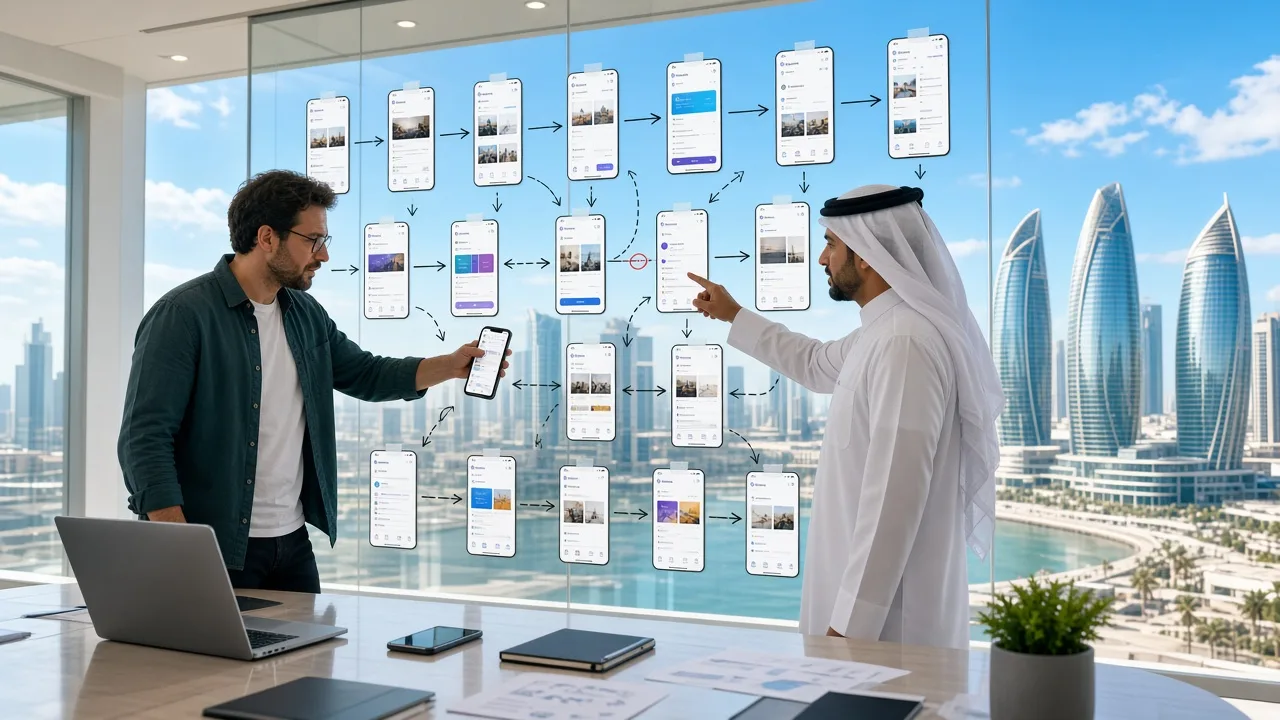
Understanding PWA capabilities and limitations can help businesses make informed decisions before starting development.
Browse by topic
6 questions · 25 total
Tell Techanic Infotech QA about your application idea, business goals, and technical requirements. We will use the details to help define a suitable scope, potential features, and an estimated project budget.
As a PWA development company in Qatar, we help businesses plan progressive web applications for ecommerce, customer portals, employee workflows, and other digital services.
Share your requirements to prepare an initial project enquiry.
Privacy note: Please provide only the information necessary to discuss your project. Personal and business information should be handled according to the applicable privacy requirements and the company's published privacy policy.