730+
Satisfied Customers
Company stated experience supporting clients with different digital requirements.

Full Stack Development Services
Build reliable digital products with Techanic Infotech QA, a full stack development company in Qatar helping businesses turn ideas into responsive web applications, integrated platforms, and scalable software solutions.
Our full stack development services cover frontend interfaces, backend engineering, database design, API integration, and deployment planning. We connect the parts of an application into a cohesive system designed around your users, workflows, and business objectives.
Whether you are launching a new product, modernising an existing platform, or extending your internal business systems, our team can help plan and develop a solution that fits your technical requirements.
Techanic Infotech QA brings software development experience and structured delivery practices to businesses seeking full stack engineering support.
730+
Company stated experience supporting clients with different digital requirements.
70+
A multidisciplinary team covering application engineering, frontend development, backend systems, and technical implementation.
5+
Company stated experience delivering digital solutions and supporting evolving technology requirements.
99%
A company stated retention figure reflecting its focus on continuing client relationships.
Our full stack development services help businesses build complete digital applications, from user facing interfaces to server side processing, databases, and integrations.
Tap a service to view details, features, and next steps.
Develop web applications around your business model, user journeys, workflows, and technical requirements. Solutions can include customer portals, administrative dashboards, internal systems, and digital products.
Build a digital product with frontend experiences, backend services, and data architecture designed to work together.
Techanic Infotech QA can help you define the application scope, choose suitable technologies, plan integrations, and establish a practical development roadmap aligned with your business goals.

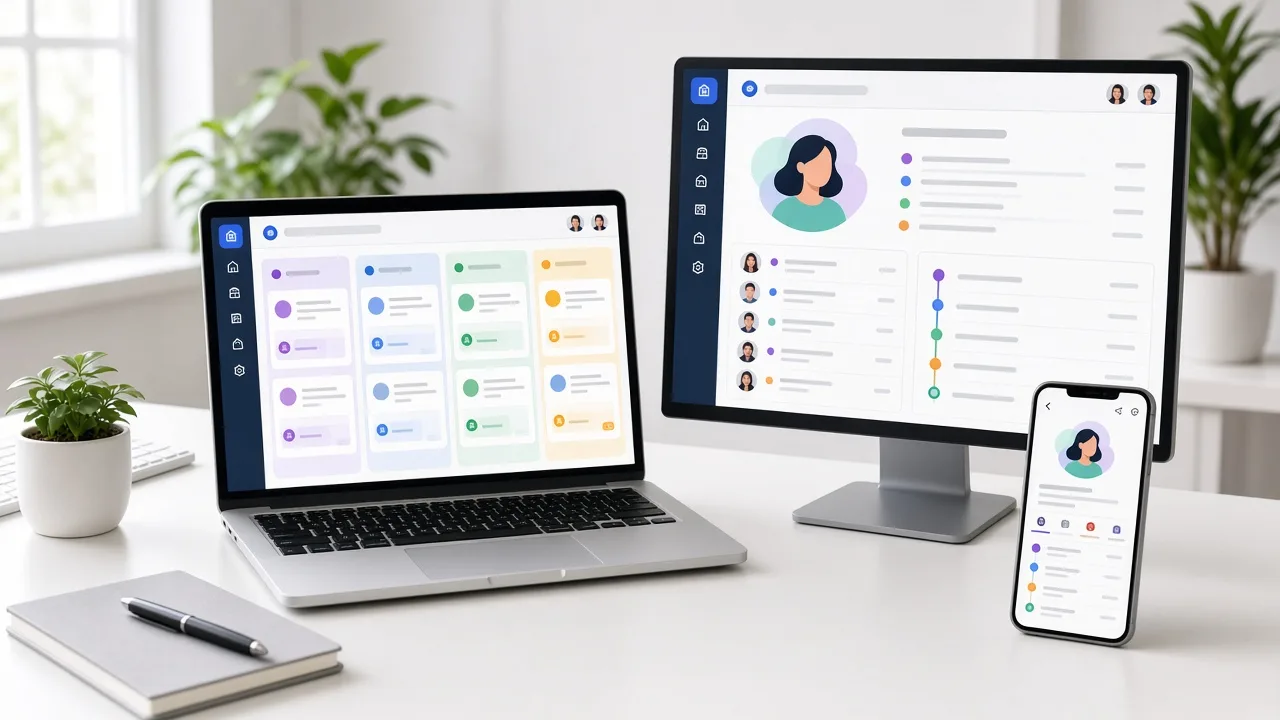
Explore representative full stack application concepts that demonstrate how frontend and backend engineering can support different digital products.
CRMConcept
A business application for managing customer records, sales pipelines, tasks, activity histories, and role based access.
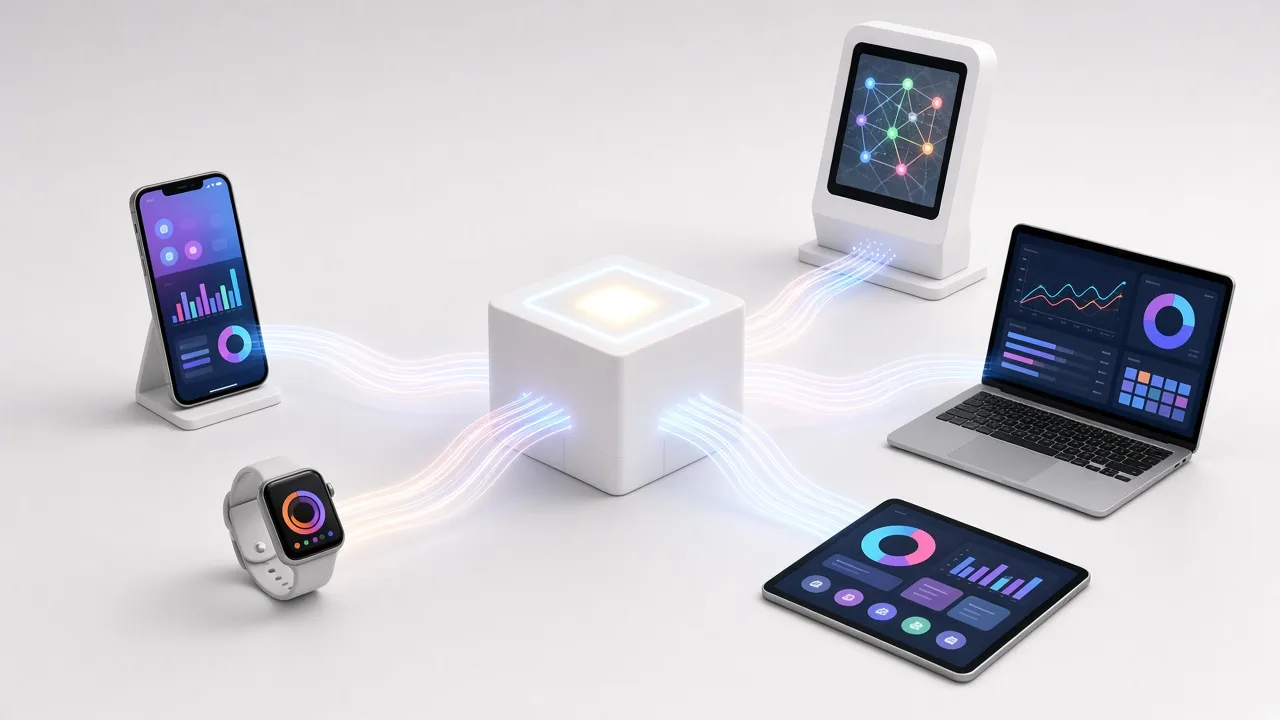
A complete application requires coordinated work across frontend interfaces, backend services, databases, integrations, and infrastructure. A structured engineering approach helps these components work together reliably.
We identify the business objectives, user journeys, application features, data requirements, and integration dependencies before defining the implementation approach.
We plan the application structure to support understandable code, clear responsibilities, testing, and future enhancements.
We consider usability, responsive layouts, accessibility, and consistent navigation across supported devices.
We plan authentication, authorisation, input validation, data protection, and secure communication according to application requirements.
We assess data relationships, API contracts, integration requirements, and error handling to support dependable application behaviour.
We consider functional testing, integration testing, browser compatibility, performance checks, and security reviews throughout the project.
We define milestones, deliverables, acceptance criteria, and review points so stakeholders can understand the scope and assess progress.
Full stack development connects frontend interfaces, backend services, databases, and integrations within a coordinated application architecture. This helps businesses in Qatar develop digital products around their operational needs and customer expectations.
Coordinating frontend and backend development helps establish consistent data flows, application behaviour, and integration patterns across the software.
Responsive interfaces, clear navigation, and efficient application workflows can make digital services easier to use across supported devices.
Custom applications can reduce repetitive manual tasks by connecting information, automating selected workflows, and centralising operational activities.
A well designed backend and database structure can help organisations manage records, control access, and retrieve relevant information more consistently.
APIs can connect the application with existing CRM platforms, ERP software, payment providers, analytics tools, and other approved business services.
A suitable architecture can support future users, additional features, and higher workloads as business needs evolve. Actual scalability depends on infrastructure, application design, and operational planning.
Coordinated frontend and backend engineering can reduce integration friction and help teams address dependencies earlier in the development process.
Modular code, automated tests, technical documentation, and consistent development practices can make application updates and defect resolution more manageable.
Businesses in Qatar need digital applications that support accessible services, secure data handling, multilingual experiences, and integration with existing operations. Full stack development can bring these requirements together within a coordinated software platform.

Digital applications can support broader objectives related to economic development, knowledge based activity, and efficient service delivery. Project goals should translate these priorities into practical business outcomes.
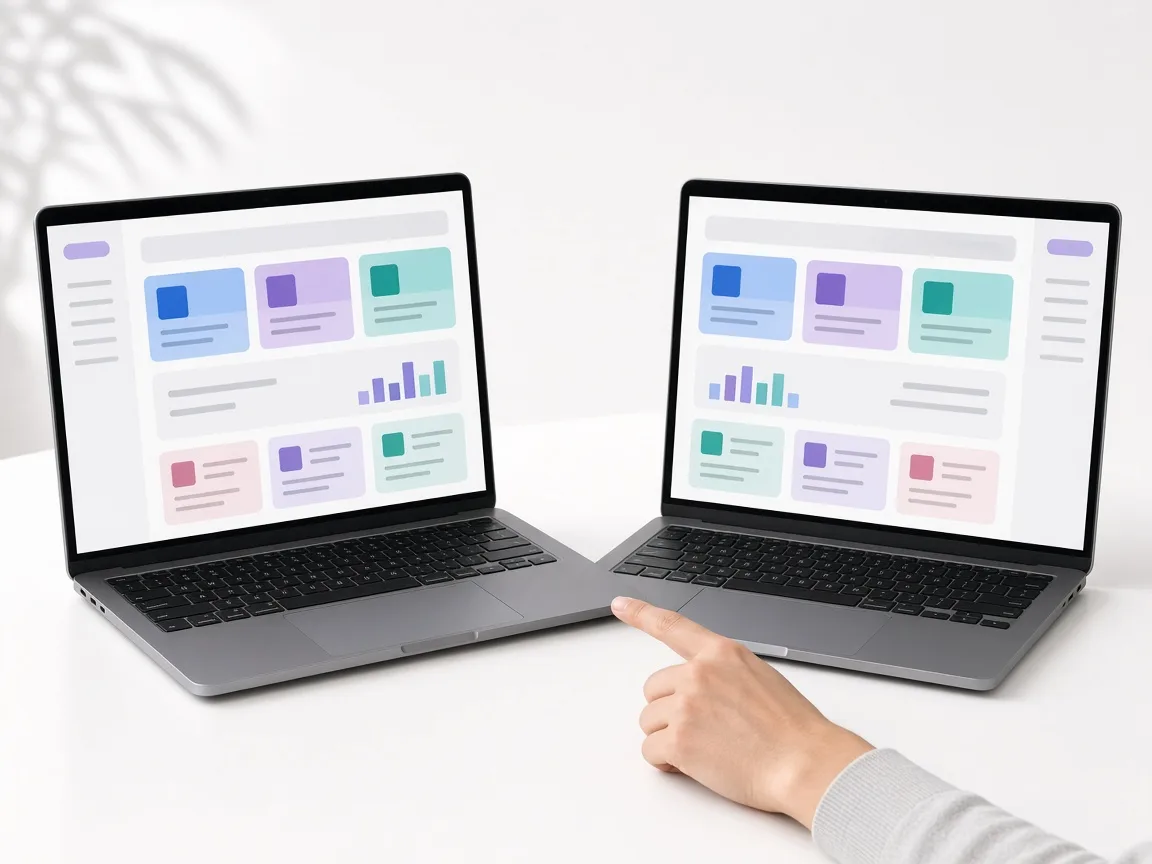
Applications serving Qatar's diverse users can provide Arabic and English interfaces with suitable right to left layouts, readable typography, language selection, and consistent content presentation.

Applications handling personal or confidential information should incorporate appropriate authentication, authorisation, encrypted communication, and data protection practices.

Full stack applications can connect approved CRM, ERP, finance, inventory, and customer service platforms through suitable APIs and integration methods.
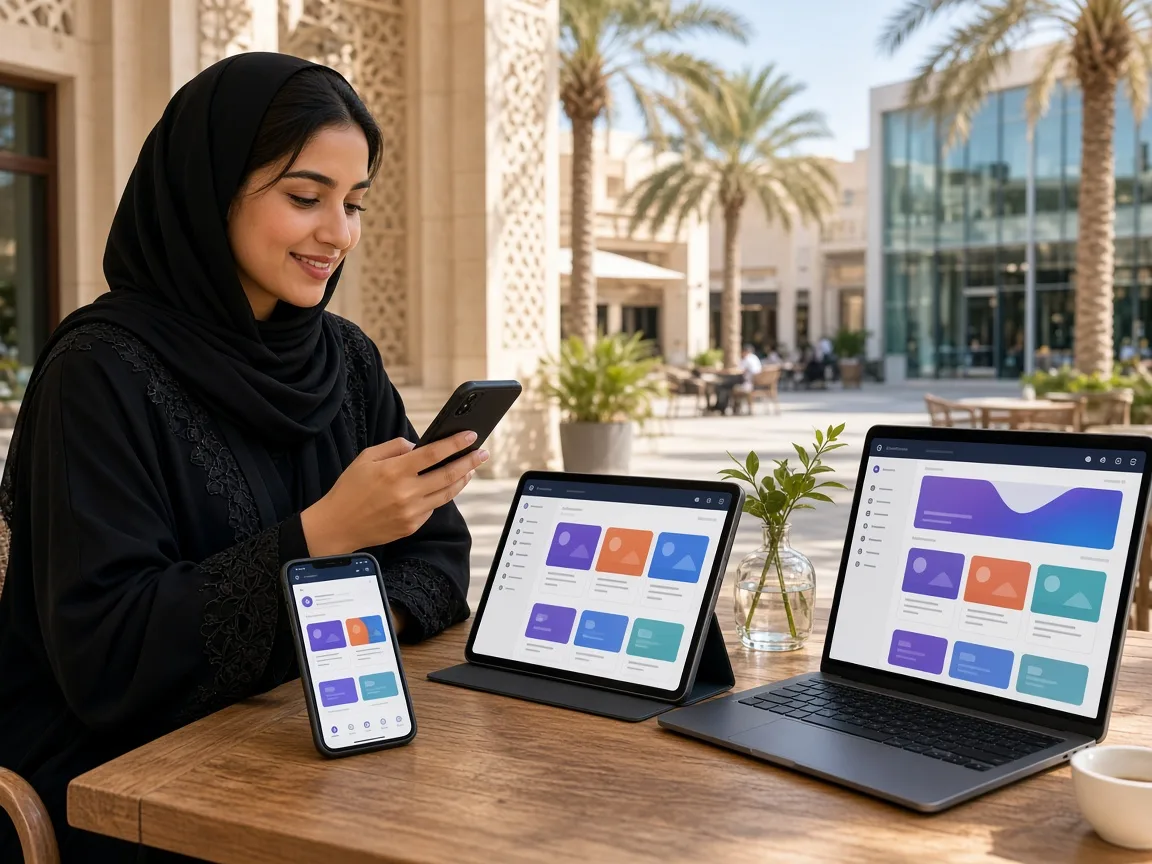
Responsive interfaces help customers and employees access digital services through supported smartphones, tablets, and desktop browsers.
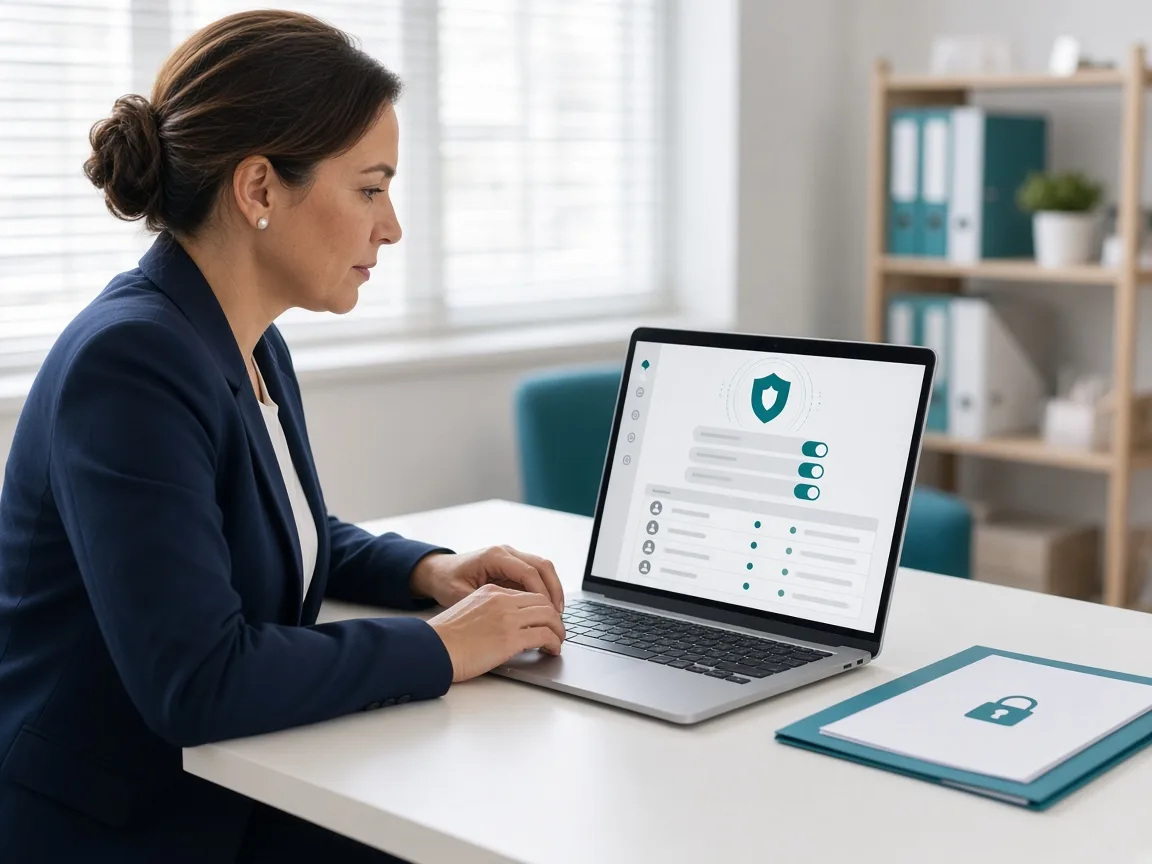
Projects processing personal information should be assessed against applicable requirements, including Qatar's Personal Data Privacy Protection Law where relevant. Data collection, retention, and access should reflect the intended purpose.

Infrastructure decisions should consider performance, availability, data sensitivity, contractual obligations, and applicable regulations. Local or regional hosting should be evaluated where appropriate.

Clear architecture, documentation, testing, and ongoing maintenance planning can help organisations adapt applications as their processes and technology requirements change.
Hear from businesses in Qatar that worked with Techanic Infotech QA on full stack software projects.
Our team wanted a centralised platform for managing customer information and everyday workflows. A well structured application could help simplify navigation and make the information our staff need easier to access.
We needed a web application that connected our existing systems with a more practical user interface. Integration planning, secure access, and maintainable backend development were important considerations.
Our digital product required a responsive interface and reliable backend services. We wanted the development process to focus on usability, clear requirements, and a practical plan for future improvements.
Choosing a full stack development company in Qatar requires evaluating its frontend and backend capabilities, architectural approach, security practices, and ability to support the application after launch.
We assess the business objectives, user journeys, application features, data requirements, and integration dependencies before defining the technical approach.
We plan how user interfaces, server side logic, databases, and APIs work together to provide consistent application behaviour.
We select technologies according to project requirements, existing systems, team expertise, performance needs, and maintainability rather than relying on a single stack for every project.
We consider authentication, access controls, input validation, data handling, and secure communication throughout the development lifecycle.
We assess available APIs, external services, data formats, and error handling requirements to plan reliable connections with existing systems.
We define appropriate functional, integration, performance, compatibility, and security testing activities based on the application's risk and complexity.
We establish milestones, deliverables, review stages, and acceptance criteria so stakeholders can track progress and manage expectations.
We can plan maintenance, dependency updates, defect resolution, performance improvements, and additional development according to the agreed engagement.
Full stack applications can combine modern frontend frameworks, backend services, cloud infrastructure, and intelligent tools. Technology selection should reflect practical requirements, system complexity, and long term maintenance needs.
Tap a technology below to switch details
Applications can connect with AI services for document processing, conversational support, search enhancement, and selected workflow automation. Outputs should be validated where accuracy or business risk is important.
Security needs to cover the complete application, including its frontend, backend services, databases, integrations, and deployment environment. Controls should be selected according to the information processed and the business risks involved.
Implement suitable sign in methods, secure session handling, and server side permission checks. Restrict access according to user responsibilities.
Validate inputs, enforce access controls, manage errors carefully, and protect APIs from unauthorised requests and abuse.
Apply appropriate database permissions, secure connections, backup controls, and protection for confidential records. Avoid exposing sensitive information through application responses or logs.
Use secure communication protocols and store credentials, tokens, and other secrets in suitable protected systems rather than embedding them in public client code.
Assess risks such as cross site scripting, injection attacks, cross site request forgery, insecure file uploads, and broken access controls.
Review third party packages, apply security updates, conduct code reviews, and use suitable automated scanning tools throughout the development lifecycle.
Assess relevant obligations under Qatar's Personal Data Privacy Protection Law and applicable sector specific requirements. Legal and compliance specialists should confirm the obligations for each project.
Combine functional testing with suitable security assessments, application monitoring, incident response planning, and recovery procedures.
Use controlled deployment processes, appropriate environment separation, access restrictions, and documented update procedures to reduce avoidable operational risks.
Techanic Infotech QA follows a structured development process that connects business requirements with architecture, interface design, engineering, testing, and deployment.
Phase 1
Understand business objectives and target users.
Define essential features and user journeys.
Review existing systems, data requirements, and integrations.
Establish scope, priorities, and acceptance criteria.
Different projects require different levels of engineering support. Techanic Infotech QA can structure an engagement around the project scope, internal resources, delivery requirements, and maintenance expectations.
Suitable for projects with clearly defined features, deliverables, milestones, and acceptance criteria. This model provides an agreed baseline for cost and delivery planning.
Suitable for complex applications or evolving product roadmaps that require ongoing collaboration across frontend engineering, backend development, UI UX design, and quality assurance.
Suitable for organisations with existing development teams that need additional expertise in selected technologies, integrations, testing, or application modernisation.
Suitable for businesses that need architecture guidance, technology selection, integration planning, or an assessment of an existing application's technical limitations.
Suitable for validating a product concept with a focused set of features before expanding into a larger platform. The prototype scope should clearly distinguish demonstration functionality from production readiness.
Suitable for launched applications that require software updates, defect resolution, performance improvements, security reviews, and additional features.
The cost of full stack development in Qatar depends on application complexity, frontend design, backend functionality, database requirements, integrations, security controls, and deployment needs.
The following are indicative planning estimates in Qatari riyals. The final cost depends on the agreed scope and technical specifications.
QAR 20,000 to QAR 40,000
Suitable forStartups and small businesses that need a straightforward web application with essential functionality.
Typical inclusions
QAR 40,000 to QAR 90,000
Suitable forGrowing businesses that need custom workflows, multiple user roles, API integrations, and more advanced application functionality.
Typical inclusions
QAR 90,000 to QAR 150,000+
Suitable forEnterprise platforms, complex digital products, and applications requiring extensive integrations or specialised architecture.
Typical inclusions
Identify the features required for the first release and separate essential functionality from future improvements. Define the target users, integrations, data requirements, and acceptance criteria before requesting a final estimate.
Techanic Infotech QA can help organise the project into practical phases, prioritise core features, and estimate the engineering effort required for your application.
Selecting a development partner requires evaluating engineering capabilities, technical decision making, communication, security practices, and long term support.
Look for the ability to coordinate user interfaces, business logic, databases, and APIs within a maintainable application architecture.
Ask why the proposed stack suits your requirements. Technology choices should reflect the application's complexity, expected workloads, integrations, and future maintenance needs.
Evaluate how the team approaches external APIs, authentication, data mapping, error handling, and integration testing.
Review the provider's approach to secure coding, access controls, testing, dependency management, and production readiness.
Discuss how the proposed architecture can accommodate new features, increased usage, and changing business processes.
A clear proposal should explain deliverables, milestones, assumptions, exclusions, acceptance criteria, and the process for handling changes.
Confirm how requirements, technical decisions, progress updates, and stakeholder feedback will be managed throughout the project.
Understand who will handle software updates, defect resolution, monitoring, security improvements, and future enhancements.
Techanic Infotech QA offers full stack development planning, frontend and backend engineering, database development, API integration, testing, and maintenance options.
Our approach focuses on matching the technical architecture to your business requirements and delivery priorities. Before selecting any provider, compare written proposals, confirm code ownership arrangements, review relevant experience, and document the support responsibilities.
A suitable full stack solution should reflect your current operational needs while allowing room for future development.

Startups often need a focused application that validates a product concept and provides the essential functionality needed by early users.
Potential features
The right technology stack depends on the application requirements, existing infrastructure, performance expectations, security needs, and the team's ability to maintain the solution.
Swipe or tap arrows to browse tech categories
These technologies can support responsive interfaces, reusable components, interactive dashboards, and customer facing web applications.
Develop an application where the frontend, backend, database, and integrations work together to support your business goals. Techanic Infotech QA can help you define the project scope, evaluate technology options, plan integrations, and establish a practical development roadmap.
Whether you are launching a new product, modernising an existing platform, or building an internal business application, we can help identify the right starting point.
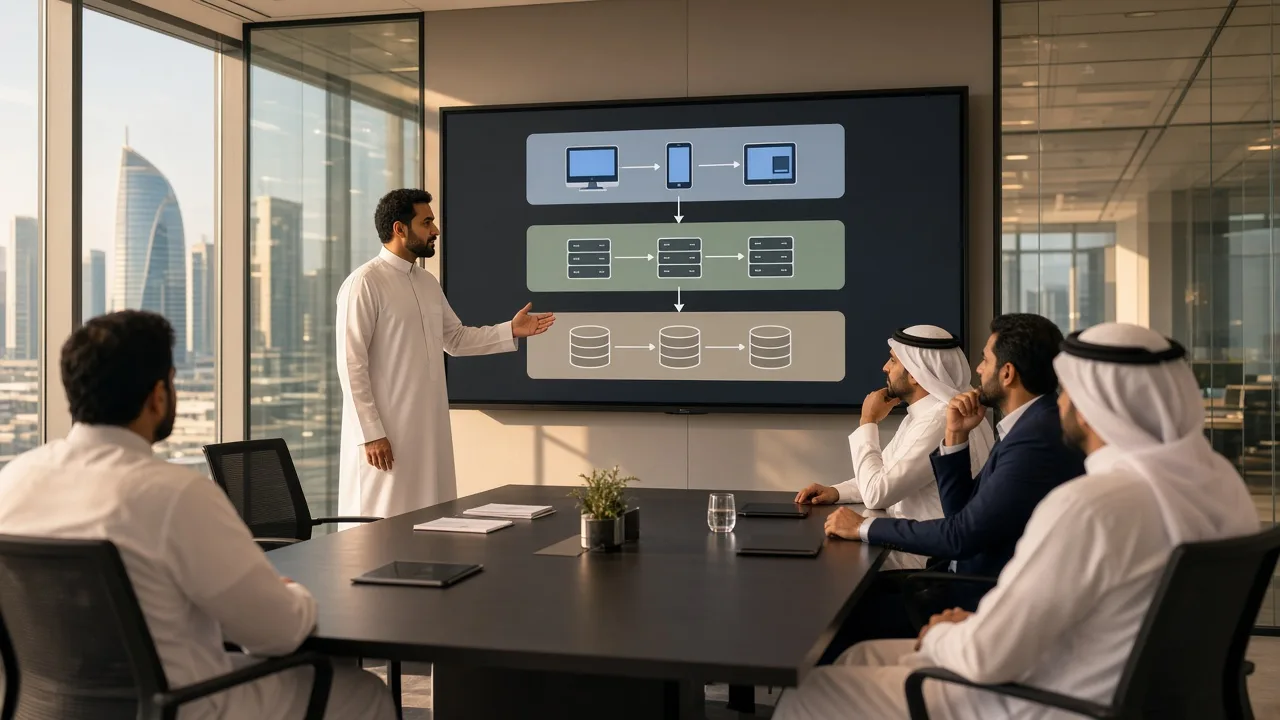
Understanding application architecture, technology selection, and development costs can help businesses plan more effective software projects.
Browse by topic
6 questions · 25 total
Looking for a reliable full stack development company in Qatar? Share your project requirements with Techanic Infotech QA to explore a suitable development approach for your business.
Whether you need a custom web application, an enterprise platform, an ecommerce solution, or application modernisation, our team can help you define the scope, technology requirements, estimated budget, and development timeline.
Share your details to prepare an initial project enquiry.
Privacy note: Please provide only the information necessary to discuss your project. Personal and business information should be handled in accordance with applicable privacy requirements, including Qatar's Personal Data Privacy Protection Law.