730+
Satisfied Customers
Company stated experience supporting clients with different digital requirements.

Connected Device Solutions
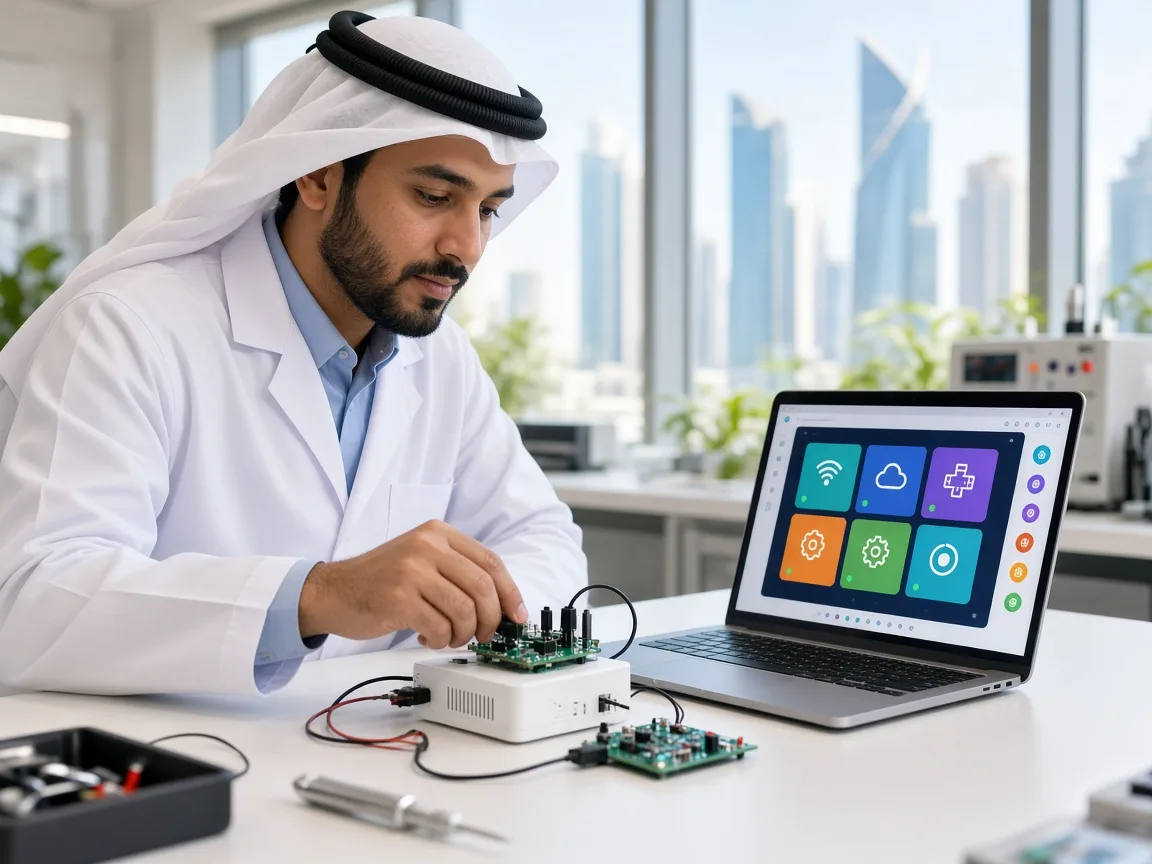
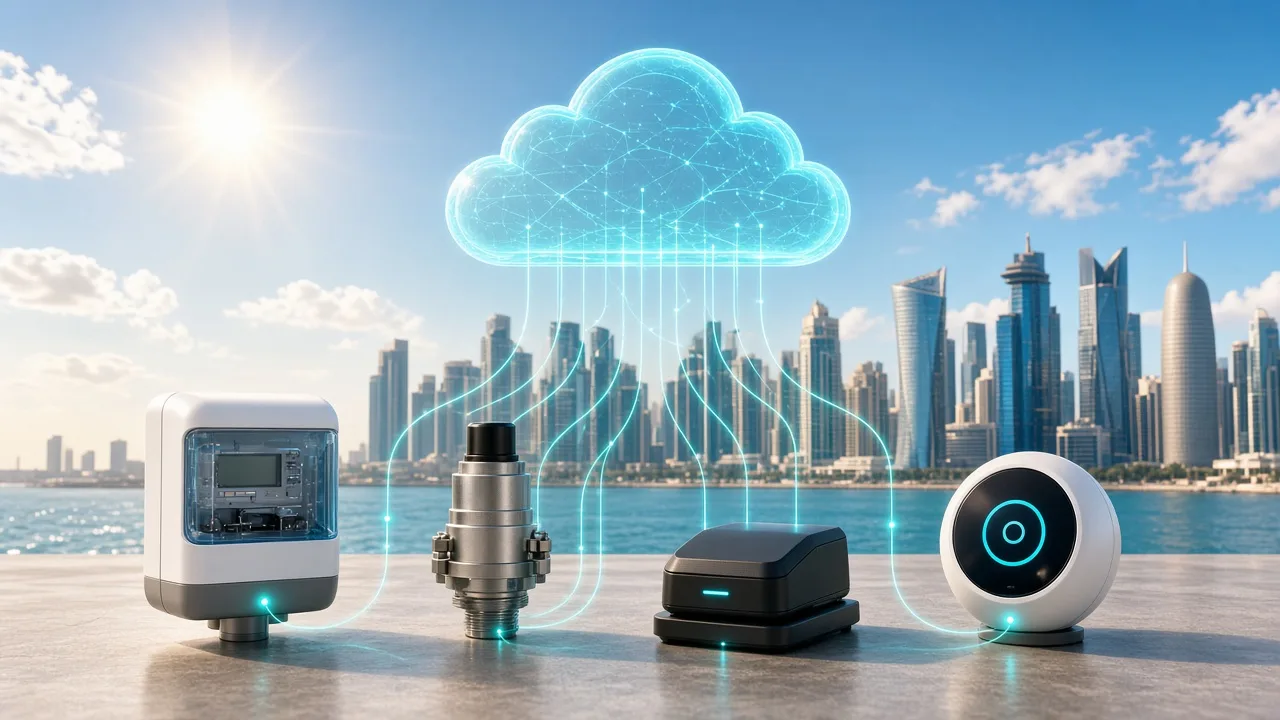
Connect devices, access operational data, and improve visibility across your business with Techanic Infotech QA, an IoT app development company in Qatar helping organisations build applications for connected products and intelligent operations.
Our IoT app development services bring device connectivity, data visualisation, monitoring dashboards, alerts, and backend integrations into a unified digital experience. We plan solutions around your devices, communication protocols, security requirements, and operational objectives.
Whether you are developing a connected consumer product, monitoring industrial equipment, managing smart facilities, or improving field operations, our team can help you design an IoT application that fits your business requirements.
Techanic Infotech QA brings software engineering experience and structured delivery practices to organisations developing connected products and IoT applications.
730+
Company stated experience supporting clients with different digital requirements.
70+
A multidisciplinary team covering application engineering, backend development, interface design, and integrations.
5+
Company stated experience delivering digital solutions and supporting evolving technology requirements.
99%
A company stated retention figure reflecting its focus on ongoing client relationships.
Our IoT app development services help businesses connect physical devices with digital applications, operational systems, and data driven workflows.
Tap a service to view details, features, and next steps.
Build applications around your connected devices, user requirements, data flows, and operational processes. Solutions can include device status screens, user accounts, alerts, reports, and administrative controls.
Build an IoT application that helps your team understand device activity, monitor important conditions, and manage connected operations more effectively.
Techanic Infotech QA can help you assess device compatibility, define essential application features, and plan an architecture that supports your connectivity, data, and security requirements.
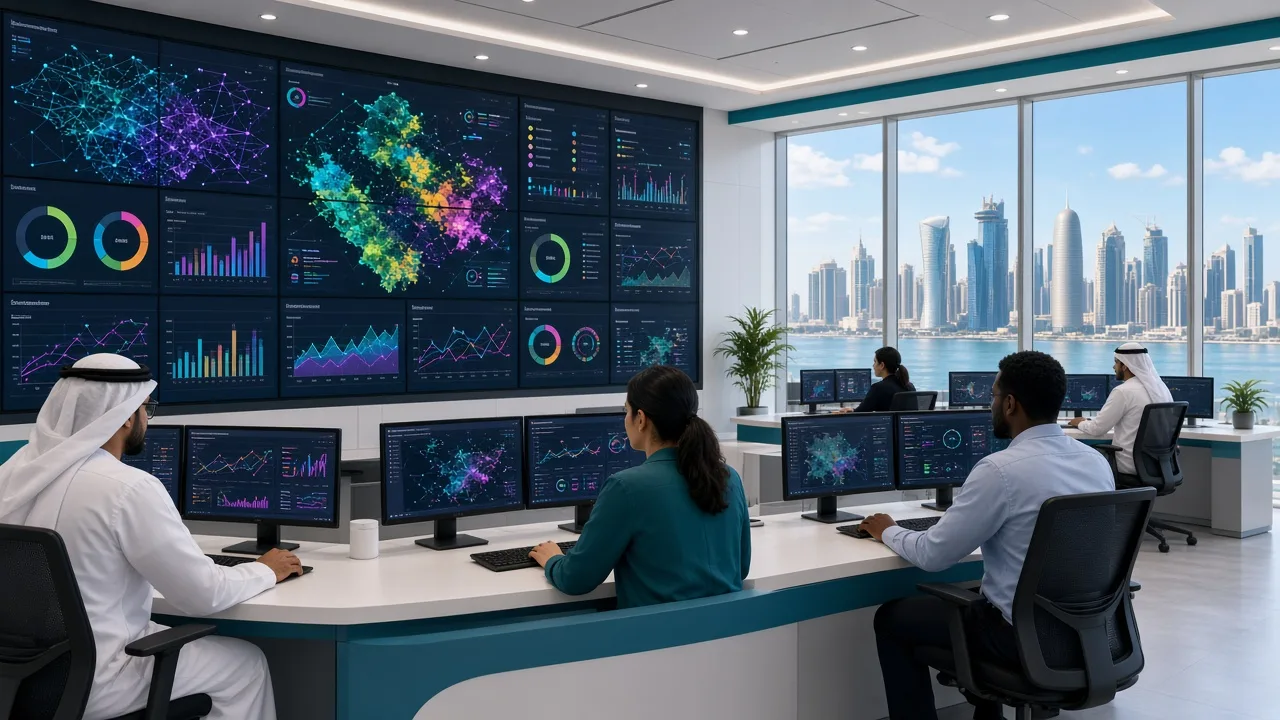
Explore representative IoT solution concepts that demonstrate how connected applications can support different operational needs. These are illustrative examples, not claims of completed client projects.
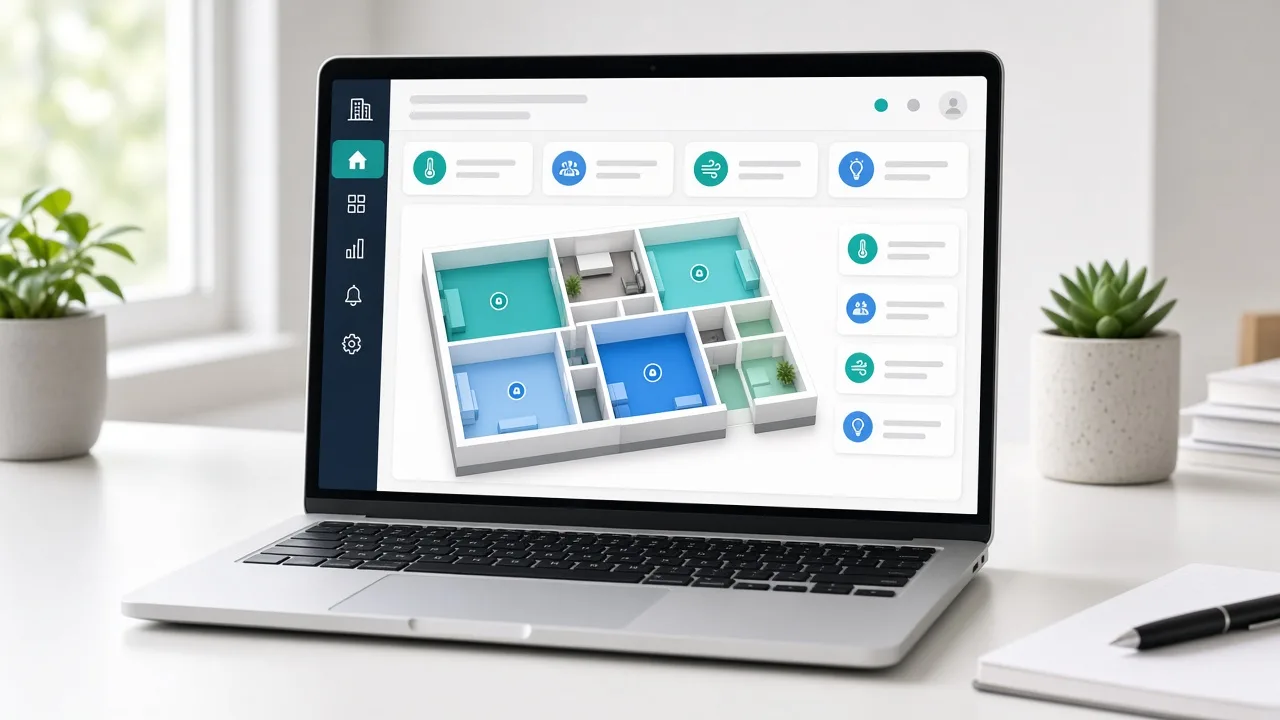
Smart Building IoTConcept
A dashboard for viewing supported sensor readings, room conditions, equipment status, and selected building alerts.
IoT projects combine software, devices, networks, and data processing. A reliable solution requires careful planning across each layer rather than focusing on the application interface alone.
We identify the devices, intended users, business workflows, required readings, and operational goals before defining the application architecture.
We evaluate available documentation, communication protocols, gateway requirements, APIs, and data formats to establish integration feasibility.
We consider device identity, authentication, access permissions, encrypted communication, data handling, and backend security.
We plan for missing readings, intermittent connectivity, timestamp differences, duplicate messages, and the validation of incoming device data.
We organise device information, trends, alerts, and status indicators so authorised users can interpret operational conditions more easily.
We consider application testing, API validation, device integration checks, network failure scenarios, and appropriate security testing.
We aim for modular application architecture, clear documentation, and manageable integrations that support future improvements.
IoT applications help businesses connect physical equipment with digital workflows, making it easier to monitor operations, understand device data, and respond to important events.
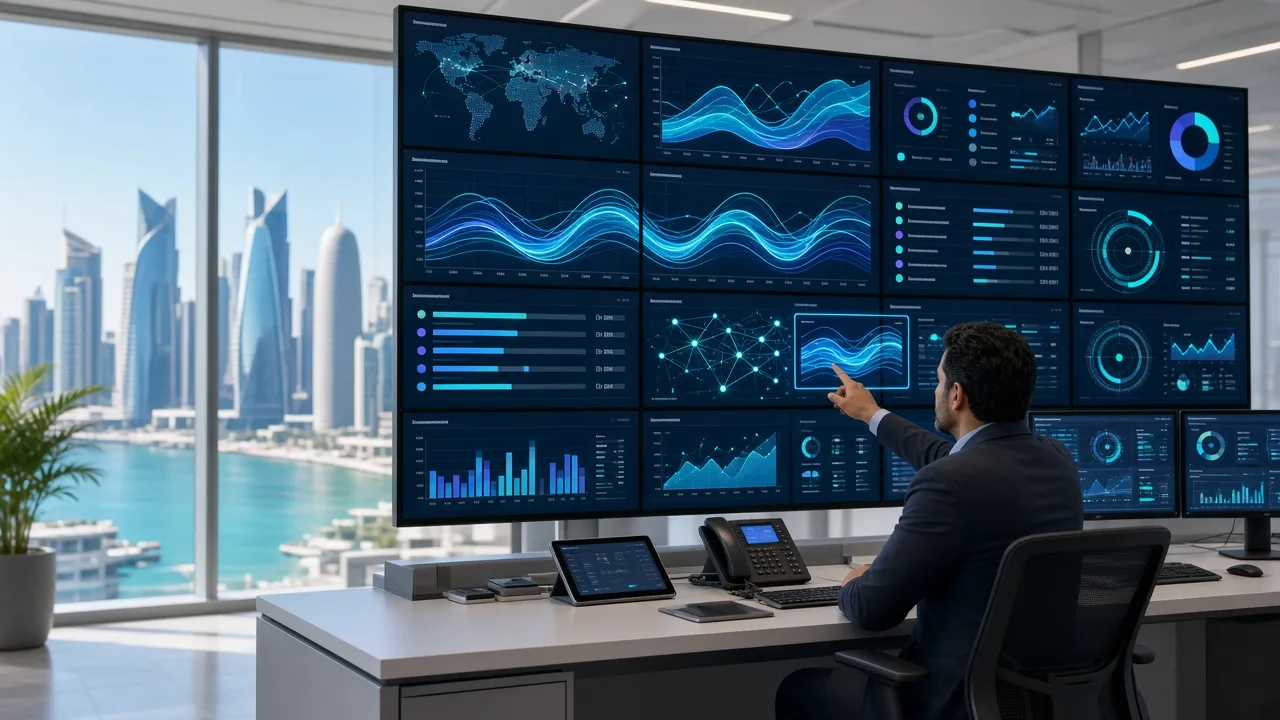
Centralised dashboards can bring readings and status information from compatible connected devices into one interface. This helps authorised teams review operational conditions without switching between disconnected systems.
Historical readings, performance trends, and usage reports can help businesses identify patterns and make better informed operational decisions.
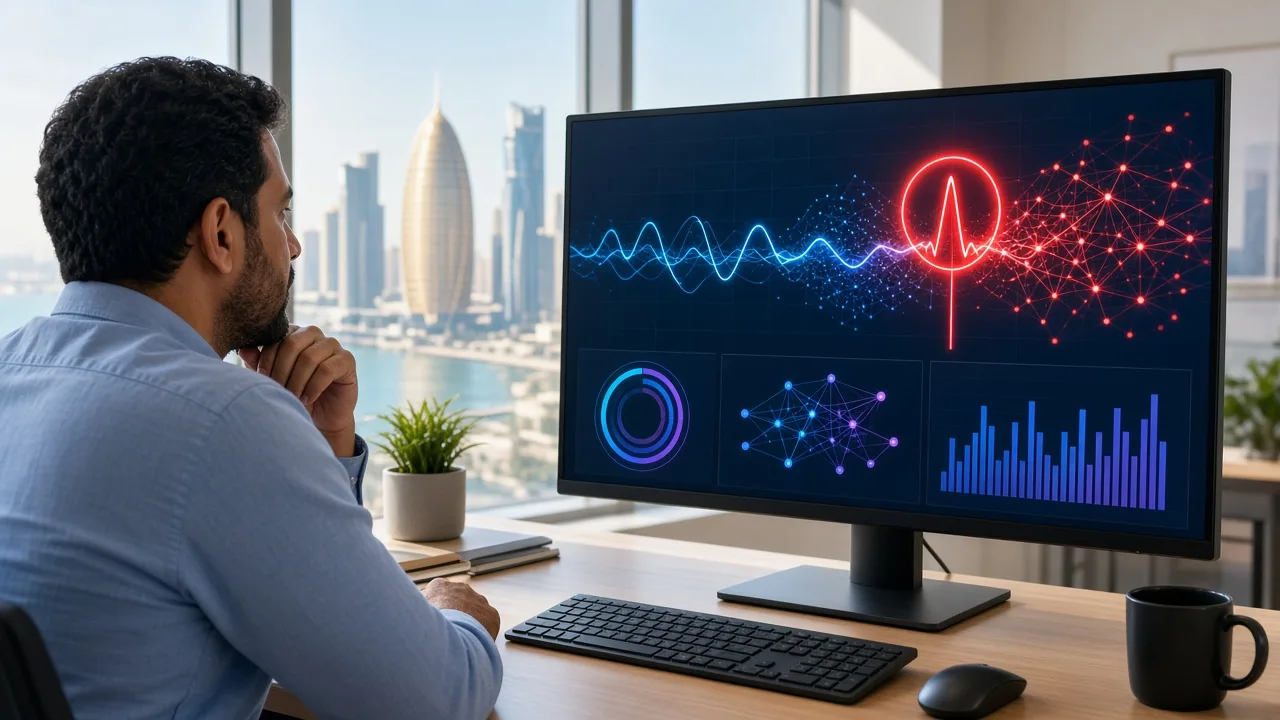
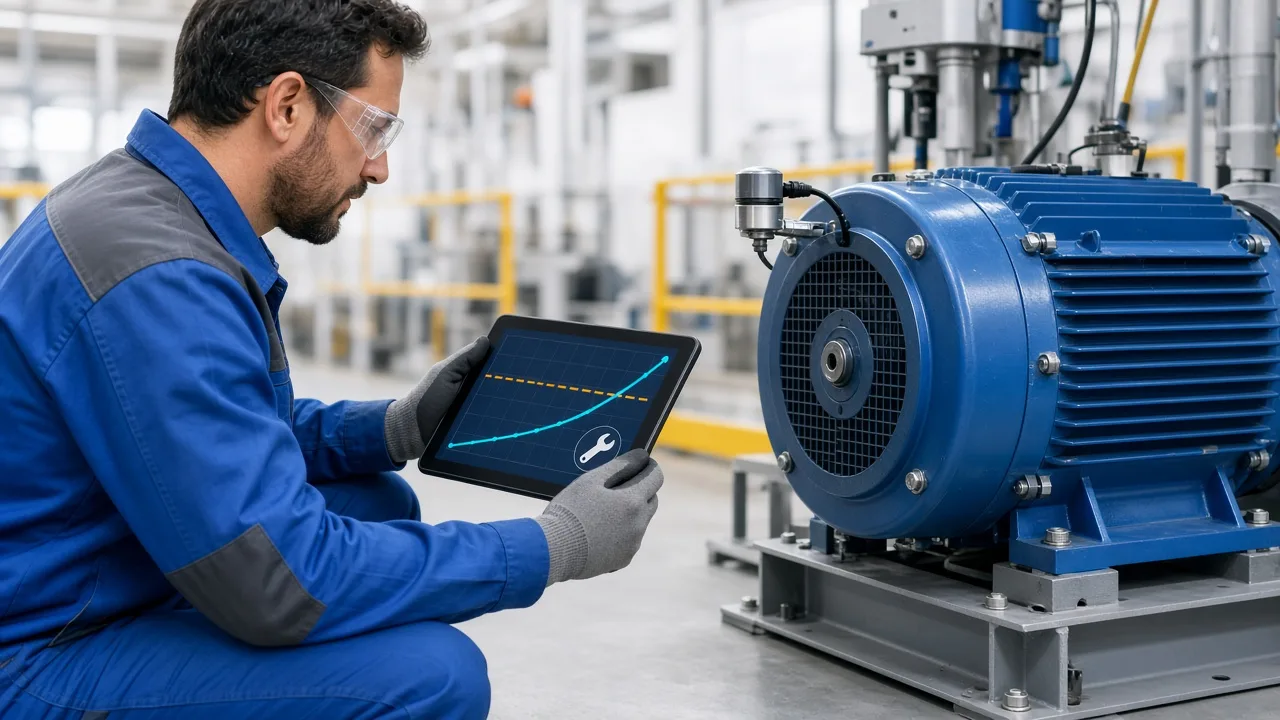
Applications can identify configured thresholds, repeated faults, or unusual readings that may indicate a need for inspection. Predictive maintenance requires suitable historical data and appropriate analytical models.
Event based alerts can notify teams when monitored conditions change or devices become unavailable. Response times depend on connectivity, backend processing, alert configuration, and staff procedures.
Connected applications can provide a clearer view of equipment status, asset location where supported, and maintenance history.
Applications can organise data from compatible meters and sensors to help businesses examine energy consumption, water usage, temperature, and other measurable conditions.
Businesses developing connected products can offer customers device dashboards, settings, usage information, and supported remote controls through mobile or web applications.
A well planned architecture can support additional devices, users, data sources, and integrations as the solution grows.
IoT applications can help organisations across Qatar improve operational visibility, monitor infrastructure, and connect physical assets with digital business systems. Each solution should reflect its operating environment, connectivity requirements, and data governance responsibilities.

Connected technology can support broader goals related to economic development, environmental responsibility, knowledge based activity, and more efficient operations. IoT projects should translate these priorities into specific objectives such as equipment visibility or resource monitoring.

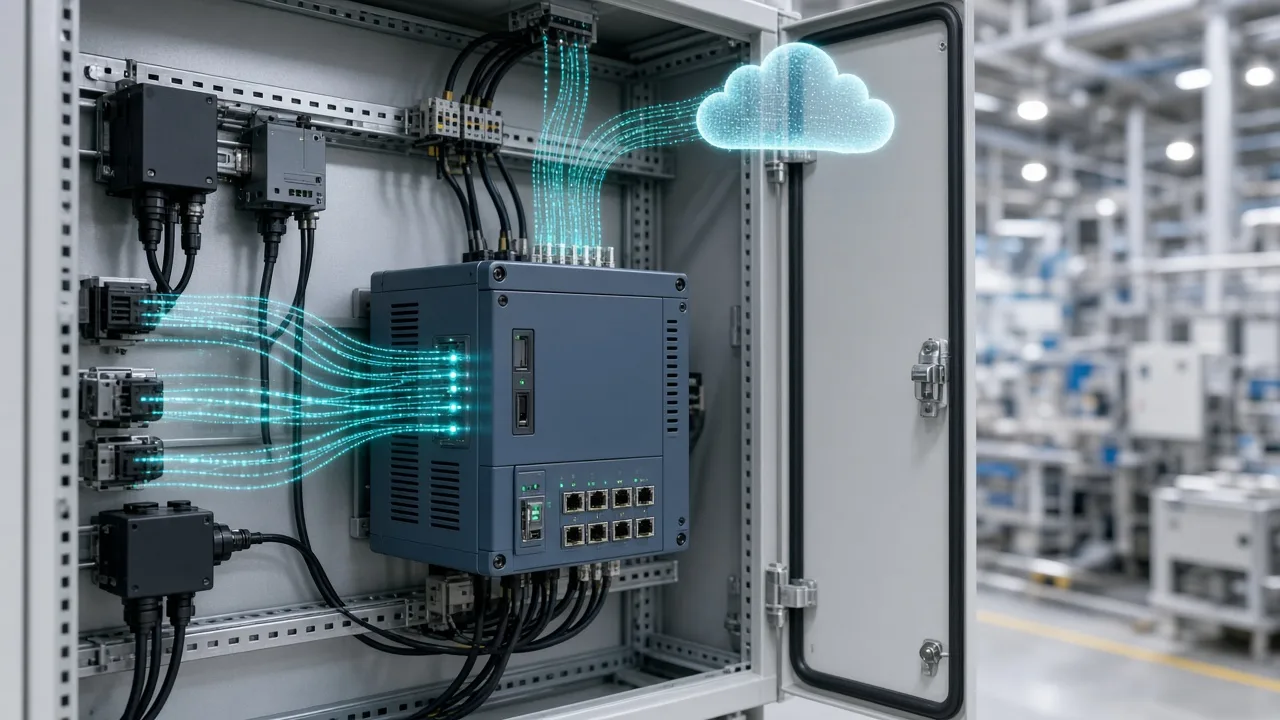
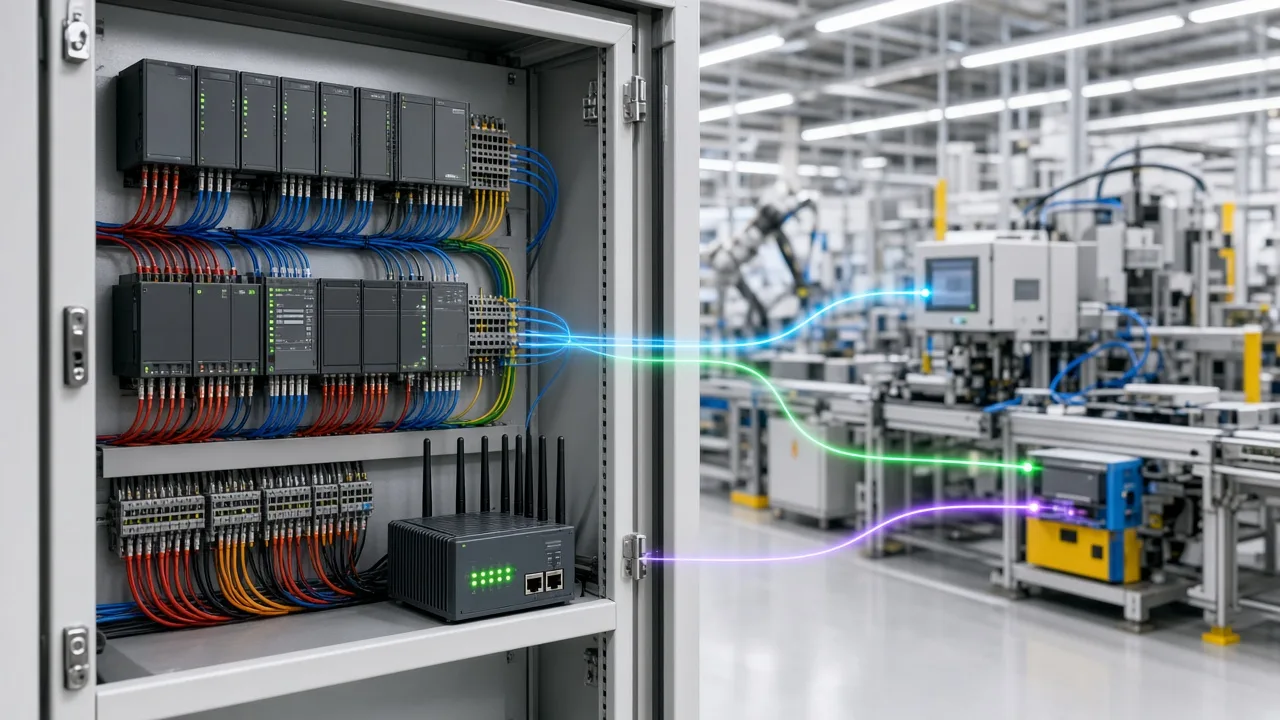
For energy and industrial environments, IoT applications can present data from compatible sensors and equipment. Integration should account for existing control systems, site safety procedures, and the separation of operational technology from business networks.

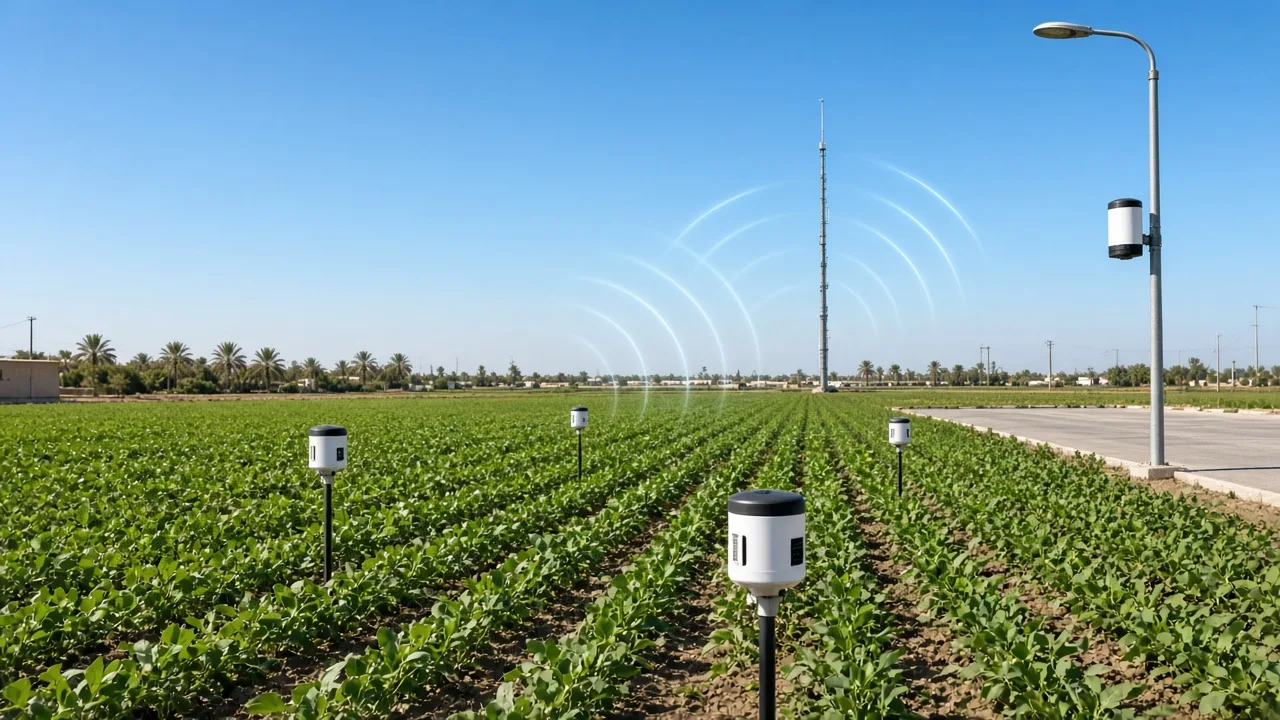
Connected sensors can support monitoring of environmental conditions, equipment status, and energy usage. Remote control features should be implemented only where supported by the underlying systems and approved operating procedures.
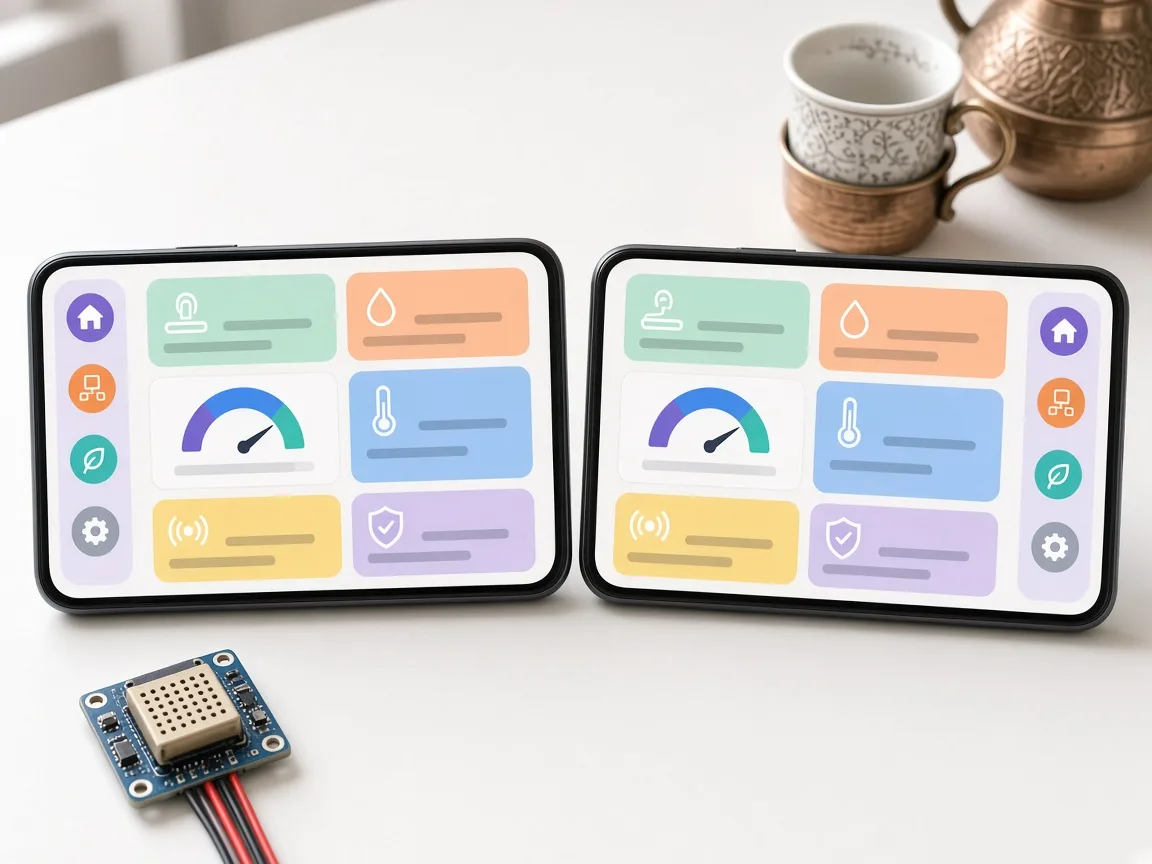
Applications serving diverse teams can provide Arabic and English interfaces, with suitable right to left layouts, terminology, and usability testing.
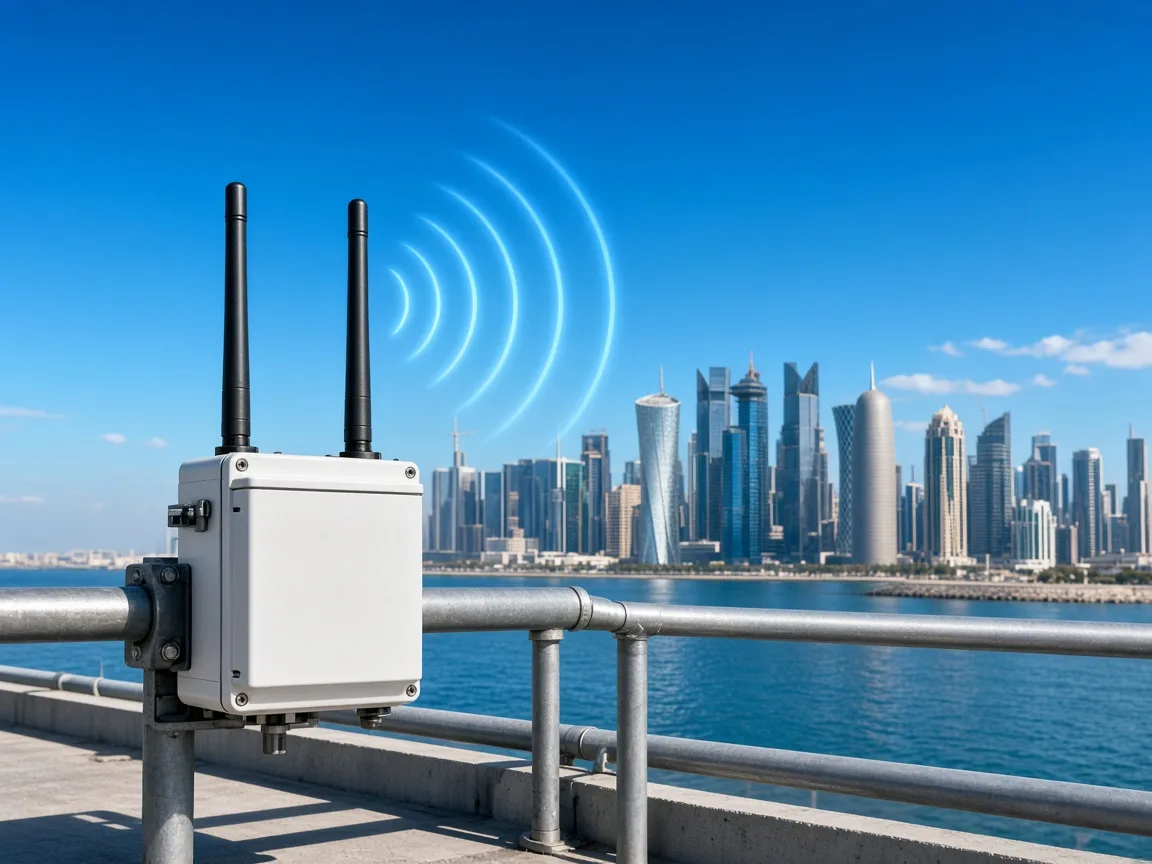
IoT solutions should consider network coverage, gateway availability, intermittent connections, and local buffering. Critical operations may require additional controls beyond a standard mobile or web application.

Projects that collect personal information or location data should be assessed against applicable Qatar privacy requirements, including the Personal Data Privacy Protection Law where relevant.

Cloud and hosting decisions should account for latency, availability, data sensitivity, contractual commitments, and applicable regulations. Local or regional infrastructure can be evaluated where appropriate.

Applications can connect device data with approved ERP, asset management, maintenance, and reporting systems through suitable APIs and integration services.
Hear from businesses in Qatar that worked with Techanic Infotech QA on IoT application projects.
Our operations team wanted a clearer view of connected equipment and sensor readings. A central dashboard could help us organise device information and make important changes easier to identify.
We needed a practical way to review asset status and receive alerts when selected conditions changed. Reliability, clear reporting, and integration with our existing systems were important considerations.
Our connected product concept required a straightforward mobile interface for viewing device information. We wanted the project to focus on usability, secure access, and dependable communication with supported devices.
Choosing an IoT app development company in Qatar requires evaluating software engineering, device integration, data handling, and the ability to support the application after launch.
We begin by identifying the business problem, target users, connected devices, operational workflows, and measurable objectives.
We review device documentation, communication protocols, available APIs, gateways, and data formats before confirming the integration approach.
We design dashboards and mobile interfaces around the information users need, with clear status indicators, relevant alerts, and accessible navigation.
We consider device identity, authentication, access permissions, encrypted communication, API security, and the handling of sensitive data.
We plan for intermittent connectivity, delayed messages, duplicate readings, device failures, and other conditions that can affect the accuracy of displayed information.
We assess connections with approved cloud services, databases, asset systems, ERP platforms, and other operational tools.
We define milestones, integration checks, acceptance criteria, and testing responsibilities to make project progress easier to review.
We can plan application updates, monitoring improvements, defect resolution, and integration maintenance according to the agreed support arrangement.
Modern IoT solutions can combine connected devices, cloud services, analytics, and automation. The right technology choices depend on the device capabilities, data volume, latency requirements, and operational risks.
Tap a technology below to switch details
Edge processing handles selected data closer to devices or gateways. This can reduce dependence on cloud communication for certain use cases, although local infrastructure still requires suitable monitoring and security.
IoT applications connect devices, networks, backend services, and user interfaces. A security weakness in one component can affect the wider solution, making security planning essential from the design stage.
Use appropriate device identities, authentication credentials, and enrolment procedures to help prevent unauthorised devices from joining the system.
Protect data in transit using suitable encryption and secure communication protocols. Device and server configurations should be reviewed for compatibility and security.
Apply role based permissions to user dashboards, device management functions, administrative settings, and sensitive operational data.
Validate requests, enforce server side permissions, manage credentials securely, and monitor relevant API activity.
Where the solution includes managed devices, establish a suitable approach for firmware updates, version tracking, and vulnerability remediation.
Identify which information is collected, why it is needed, how long it is retained, and who can access it. Assess applicable requirements under Qatar's Personal Data Privacy Protection Law and any relevant sector specific rules.
For industrial deployments, assess whether operational technology, device networks, and business applications should be separated. Critical control systems require specialist security and safety reviews.
Validate incoming readings and timestamps, identify abnormal messages, and handle delayed or duplicated data appropriately.
Plan security logging, alert handling, backup procedures, incident escalation, and recovery processes based on the solution's operational importance.
Techanic Infotech QA follows a structured process that connects business objectives with device integration, application engineering, testing, and deployment.
Phase 1
Define business goals and target users.
Identify devices, sensors, gateways, and existing systems.
Review communication protocols, available APIs, and data formats.
Document requirements, constraints, and acceptance criteria.
IoT projects vary in scope, device complexity, and integration requirements. Techanic Infotech QA can structure an engagement around the resources and delivery approach best suited to your project.
Suitable when the application features, supported devices, integration requirements, and acceptance criteria are clearly defined. The agreed scope provides a baseline for estimating cost and delivery milestones.
Suitable for larger connected platforms or evolving IoT products that require ongoing application engineering, backend development, integration work, and quality assurance.
Suitable for organisations with existing engineering teams that need additional expertise in mobile development, dashboards, APIs, data processing, or connected application integration.
Suitable for businesses evaluating device compatibility, communication protocols, platform architecture, data security, and implementation feasibility before committing to full development.
Suitable for validating a specific integration or business assumption before building a production application. A prototype should clearly distinguish demonstrated functionality from production readiness.
Suitable for launched applications that require software updates, integration maintenance, performance reviews, defect resolution, and additional features.
The cost of IoT app development in Qatar depends on device compatibility, communication protocols, backend architecture, data processing requirements, application features, and security needs.
The following are indicative planning estimates in Qatari riyals. Actual costs depend on the technical scope and the availability of compatible devices and integration interfaces.
QAR 20,000 to QAR 40,000
Suitable forSimple connected applications with limited device integrations and essential monitoring features.
Typical inclusions
QAR 40,000 to QAR 90,000
Suitable forBusinesses requiring multiple device integrations, user accounts, operational dashboards, and more advanced data handling.
Typical inclusions
QAR 90,000 to QAR 150,000+
Suitable forEnterprise platforms, industrial monitoring applications, and connected products with complex requirements.
Typical inclusions
Start by identifying the devices you need to connect, the information users must see, and the actions the application must support. Confirm device availability, integration documentation, connectivity assumptions, and security requirements before committing to a final estimate.
Techanic Infotech QA can help define a phased implementation plan that prioritises essential functionality and clarifies the technical work required for future expansion.
Choosing an IoT development partner requires evaluating application engineering alongside device integration, data reliability, security, and ongoing technical support.
Assess whether the team understands your device interfaces, communication protocols, gateway requirements, and available integration documentation.
Review how the provider plans mobile applications, web dashboards, backend services, databases, and APIs as one connected solution.
Ask how the system will handle disconnected devices, missing readings, delayed messages, duplicate data, and unexpected device behaviour.
Evaluate the approach to device authentication, user permissions, encrypted communication, secure APIs, data protection, and vulnerability management.
Confirm how device communication, network interruptions, application workflows, data validation, and security controls will be tested.
Discuss how the architecture can support additional devices, increased data volumes, future integrations, and software updates.
A clear proposal should explain deliverables, assumptions, hardware dependencies, integration responsibilities, acceptance criteria, and potential additional costs.
Review the arrangements for application monitoring, defect resolution, security updates, integration maintenance, and future improvements.
Techanic Infotech QA offers IoT application planning, mobile and web development, backend engineering, device integration, testing, and maintenance options.
Our approach focuses on understanding the connected environment before finalising the software solution. This helps identify integration dependencies and distinguish application development requirements from hardware, network, and infrastructure responsibilities.
Before choosing any provider, request a clear technical proposal, confirm device compatibility, review relevant experience, and agree on the responsibilities for deployment and ongoing support.
The right IoT application strategy depends on the number of devices, the operational environment, the information required, and the organisation's technical readiness.
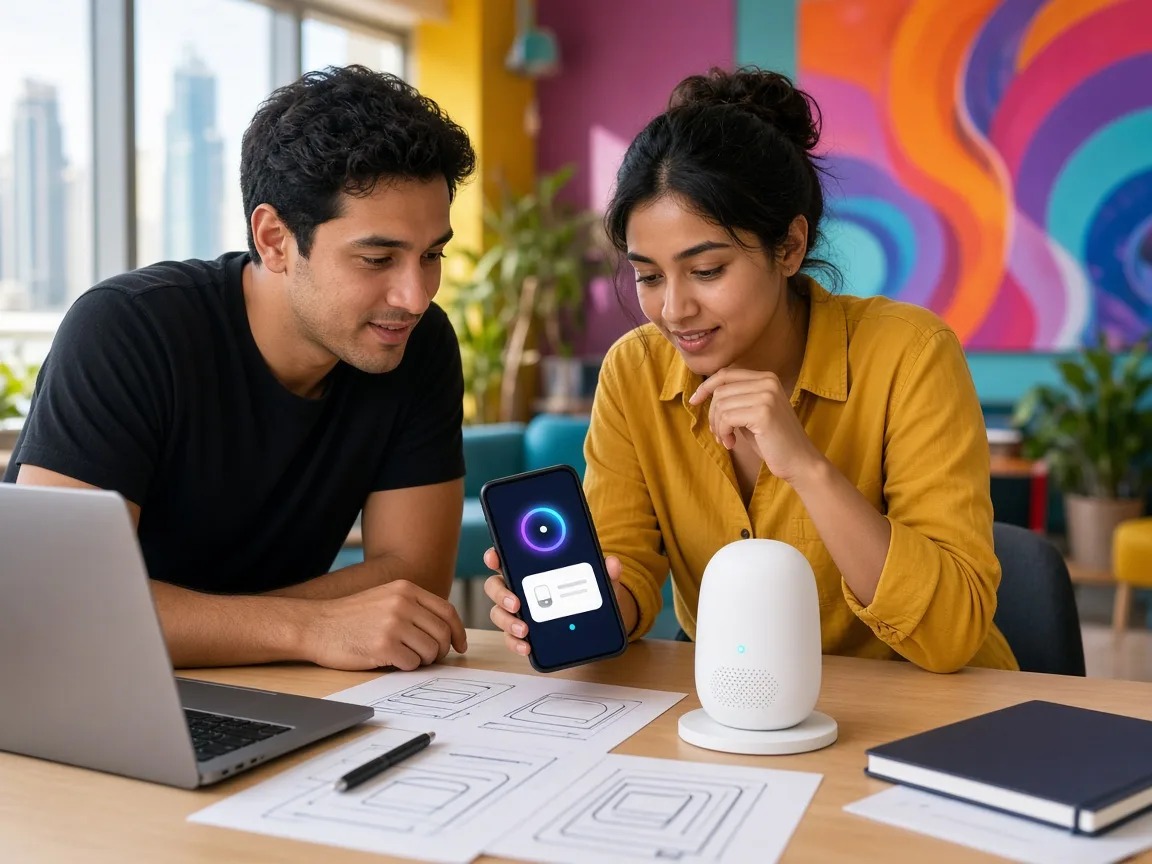
Startups developing connected products may need an application that validates device functionality and gives early users a convenient way to interact with the product.
Potential features
An IoT technology stack should be selected according to device capabilities, connectivity, data volumes, security requirements, and the intended user experience.
Swipe or tap arrows to browse tech categories
The appropriate choice depends on device integration requirements, supported operating systems, interface complexity, and maintenance considerations.
Turn device data into useful operational information with an IoT application planned around your equipment, users, and business processes.
Techanic Infotech QA can help you assess device compatibility, define the application architecture, plan integrations, and identify the features required for an initial release.
Whether you are building a connected product, monitoring industrial equipment, or improving facility operations, we can help define a practical development roadmap.
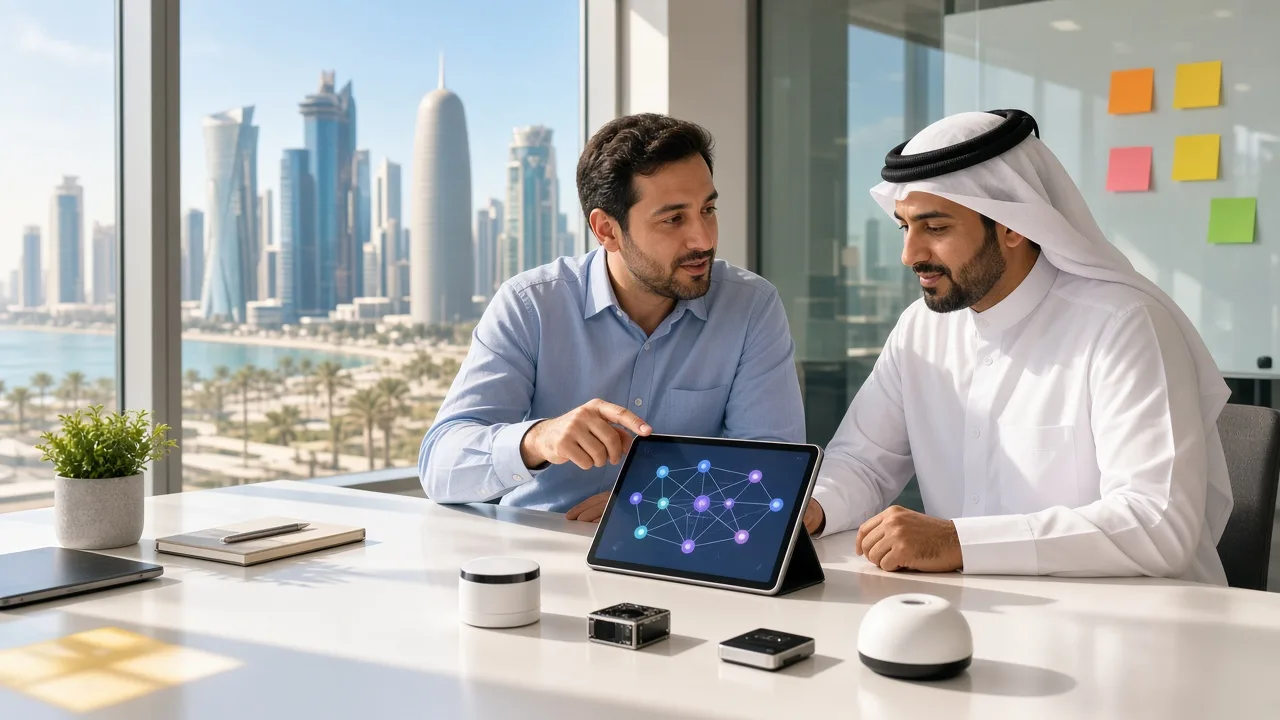
Understanding connected application technologies and their limitations can help businesses plan more effective IoT projects.
Browse by topic
6 questions · 25 total
Tell us about your devices, users, and the connected application your business needs.
Connect with an IoT app development company in Qatar to discuss device integration, dashboards, alerts, security requirements, and project costs.
Share your industry, connected devices, communication protocols, required features, and preferred timeline so your project scope can be assessed more clearly.
Submitted information should be handled according to the applicable privacy notice and relevant Qatar data protection requirements.