730+
Satisfied Customers
A stated company figure representing its customer base across digital projects.

Custom Point Of Sale Solutions For Qatar
Simplify Sales, Payments, And Inventory With Custom POS Software
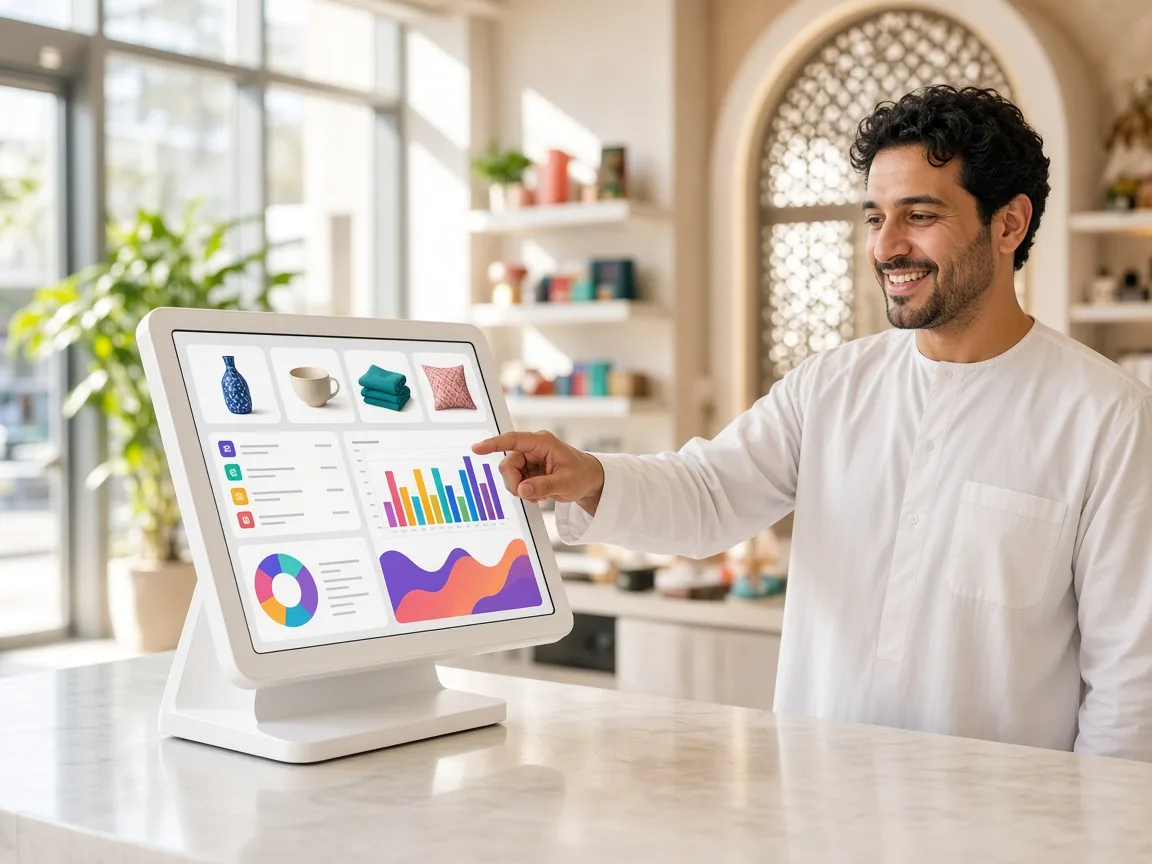
Techanic Infotech QA develops point of sale software designed around the way your business handles transactions, stock, customers, and daily operations. From retail checkout systems to restaurant billing platforms and multi branch POS solutions, we plan features that support accurate sales processing and clearer business reporting.
Whether you are launching a new store, managing a busy restaurant, or connecting multiple outlets, our team can help define the right POS features, integrations, and implementation approach for your operations in Qatar.
Plan your POS solution around your checkout process, payment requirements, inventory workflows, and business reporting needs.
A point of sale system must support fast transactions while keeping sales, inventory, and reporting information consistent. Techanic Infotech QA brings software development experience to projects that require practical functionality, reliable integrations, and structured implementation planning.
730+
A stated company figure representing its customer base across digital projects.
70+
Technical capabilities across application engineering, integrations, and software testing.
5+ Years
Experience delivering digital projects with varying technical and business requirements.
99%
A stated company metric highlighting the importance of continuing client relationships.
4.9+
A stated rating that can be checked against the current public company profile.
Different businesses have different checkout processes, pricing rules, inventory requirements, and customer service workflows. Our POS software development services focus on building systems around these operational needs while accounting for payment integrations, reporting, and future expansion.
Tap a service to view details, features, and next steps.
Develop a point of sale system around your products, transaction workflows, staff responsibilities, and business rules. Custom software can be useful when standard POS products do not provide the required flexibility.
Share your current sales process, payment requirements, inventory challenges, and reporting needs with Techanic Infotech QA to plan a POS solution for your business in Qatar.

An effective POS system must support the transaction process from product selection through payment, stock updates, and reporting. The following examples illustrate potential project scopes for businesses in Qatar. They are sample use cases, not claims of completed client projects.
Retail POS SoftwareConcept
A checkout platform for managing products, pricing, discounts, sales transactions, and receipts through a straightforward cashier interface. Business objective: standardise checkout operations and improve access to sales records.
Potential Features
POS software sits at the centre of sales operations, so businesses should evaluate reliability, transaction handling, hardware compatibility, payment integrations, security, and support arrangements before selecting a development partner.
Review the provider's experience with transactional applications, retail systems, restaurant workflows, inventory software, and third party integrations. Ask for relevant examples and clarify the team's role in each project.
Techanic Infotech QA reports 70+ expert developers. Discuss the specialists required for your POS project, including application developers, integration engineers, database specialists, and quality assurance professionals.
The company reports a 99% client retention rate. Ask how project communication, requirement changes, testing feedback, and post launch issues are managed.
Techanic Infotech QA has stated a 4.9+ Clutch rating. Check the current public profile and reviews to confirm the rating, dates, and relevance to your software requirements.
A POS proposal should define supported devices, transaction workflows, payment integrations, testing scope, deployment responsibilities, and maintenance terms. These details help businesses compare providers using consistent criteria.
A well designed point of sale system can help businesses manage transactions, connect inventory records, and improve visibility into sales performance. Actual outcomes depend on transaction volume, system configuration, hardware compatibility, staff training, and integration quality.
Design checkout workflows around product selection, discounts, payment confirmation, and receipt generation. A clear interface can help staff process routine transactions more consistently and reduce unnecessary steps.
Potential outcomeA more streamlined checkout process.
Link completed sales to inventory records so stock levels can be updated according to the system's transaction rules. Stock adjustments, returns, and exchanges should also be handled consistently.
Potential outcomeBetter visibility into stock movements.
Consolidate transaction records into daily, weekly, and monthly reports. Managers can review sales by product, category, branch, or time period when the system captures the required information.
Potential outcomeMore accessible sales performance information.
Provide centralised product records and consolidated reporting while maintaining appropriate branch level permissions. This can help managers review operations across several outlets without relying entirely on separate reports.
Potential outcomeMore consistent oversight across locations.
Connect payment records with POS transactions and identify differences between recorded sales and payment confirmations. Reconciliation requirements depend on the supported payment providers and transaction types.
Potential outcomeMore structured payment reconciliation.
Use individual staff accounts, permissions, and appropriate transaction logs to record relevant activities. Access controls can help businesses review discounts, refunds, voided transactions, and other sensitive actions.
Potential outcomeClearer transaction accountability.
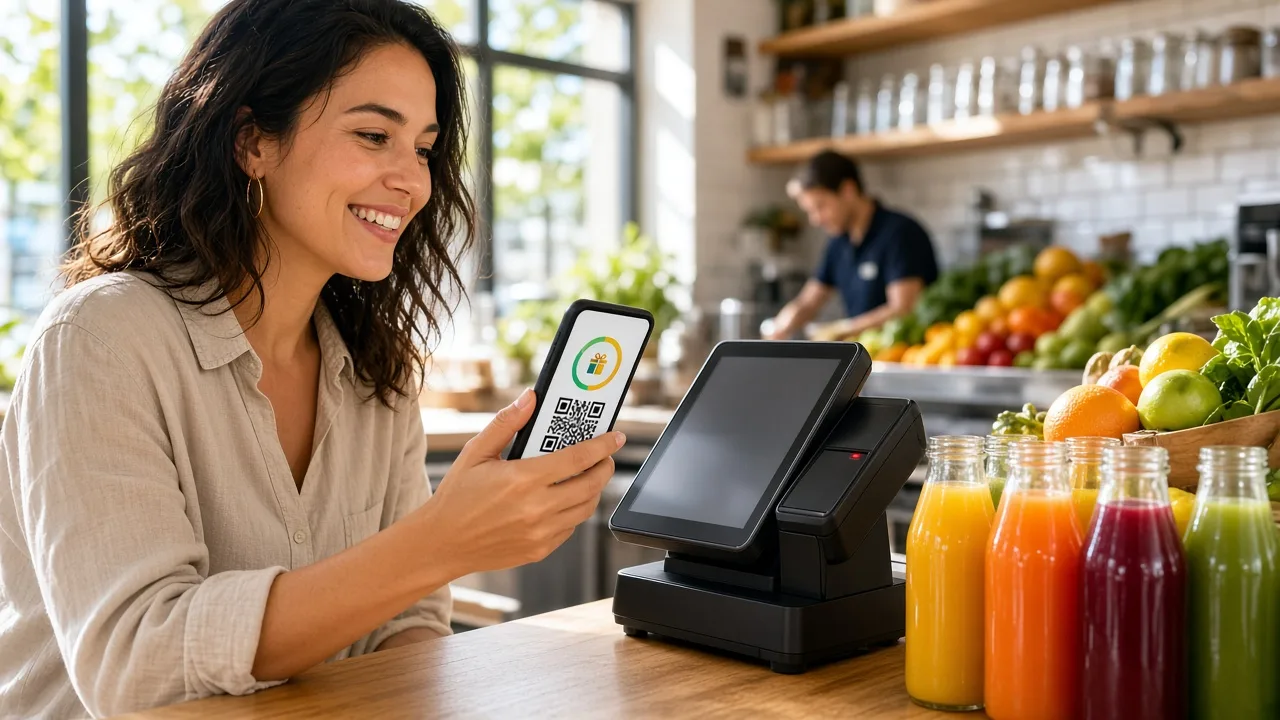
Provide accurate product information, consistent pricing, clear receipts, and suitable checkout options. Where permitted and appropriate, loyalty functionality can support customer engagement and repeat purchases.
Potential outcomeMore consistent customer service.
POS systems in Qatar may need to support local currency transactions, approved payment providers, applicable data protection requirements, and industry specific obligations. Techanic Infotech QA can assess these requirements during discovery and solution planning.

Businesses can use digital systems to improve operational efficiency, information management, and customer service. A POS project should define practical business objectives rather than assume that every implementation directly contributes to a national programme.
Potential applicationDigital checkout, sales reporting, inventory coordination.
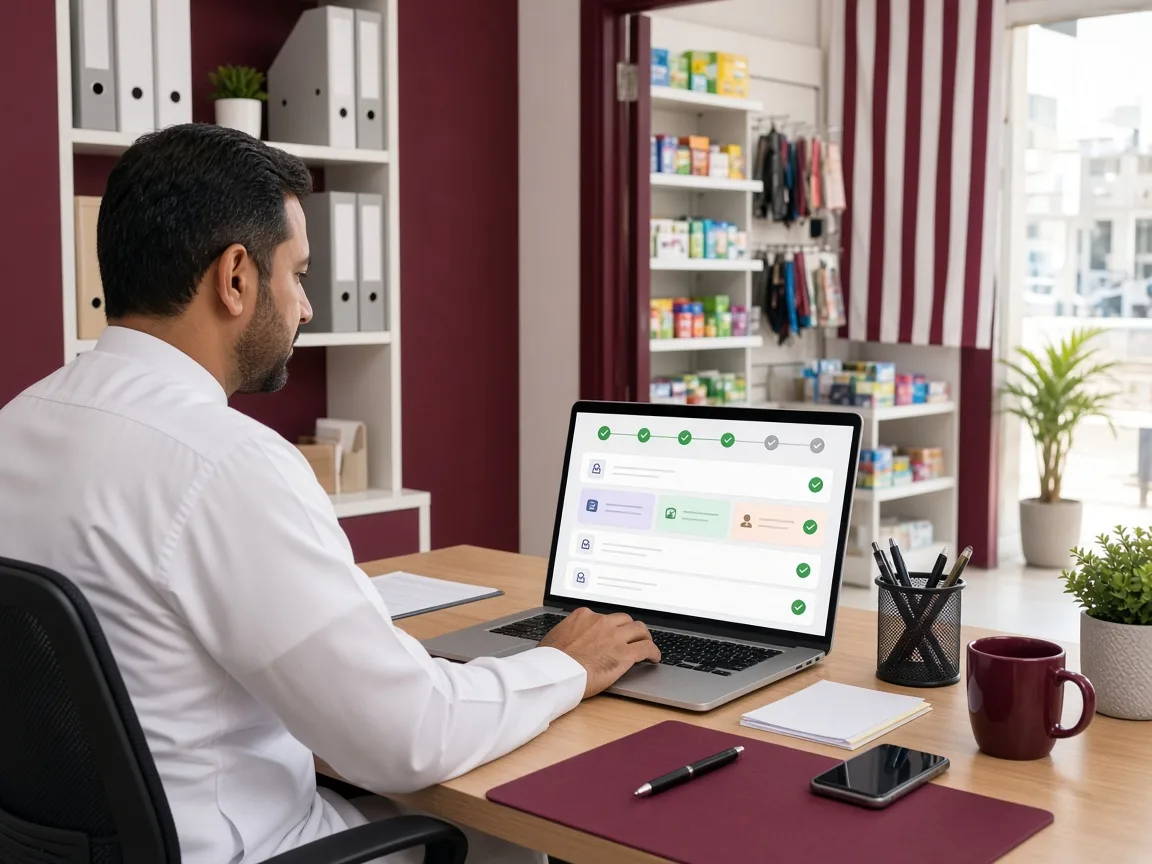
Businesses involved in government related processes should identify applicable service requirements, technical standards, and authorised integration options.
Potential applicationRelevant administrative records and approved service related workflows.
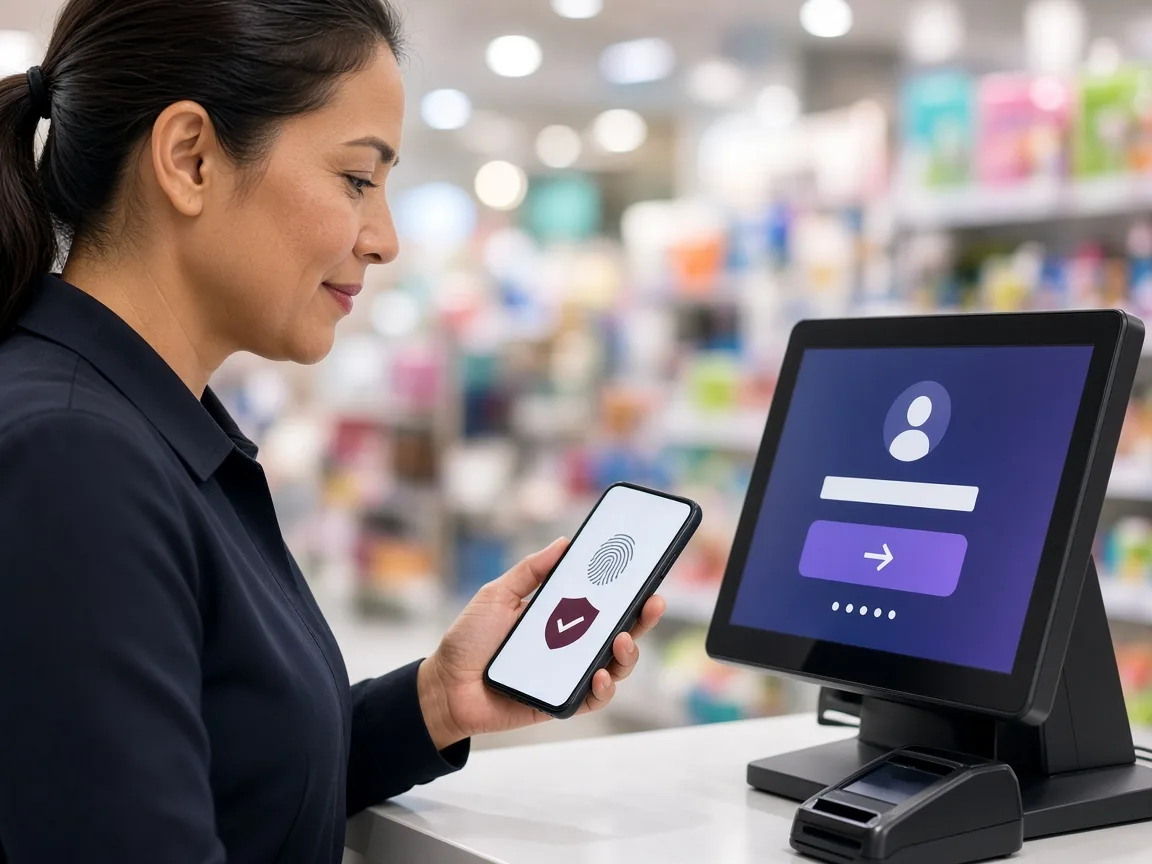
Authentication requirements can be assessed where the POS solution includes an eligible use case that requires this service. Any proposed integration must be checked against current technical documentation and access permissions.
Potential applicationAuthentication planning for eligible connected services, where relevant.

Connected business systems can contribute to more coordinated digital operations when they address a defined need. Any relationship to a smart service initiative should be established through the actual project scope and applicable requirements.
Potential applicationConnected operational data and reporting.
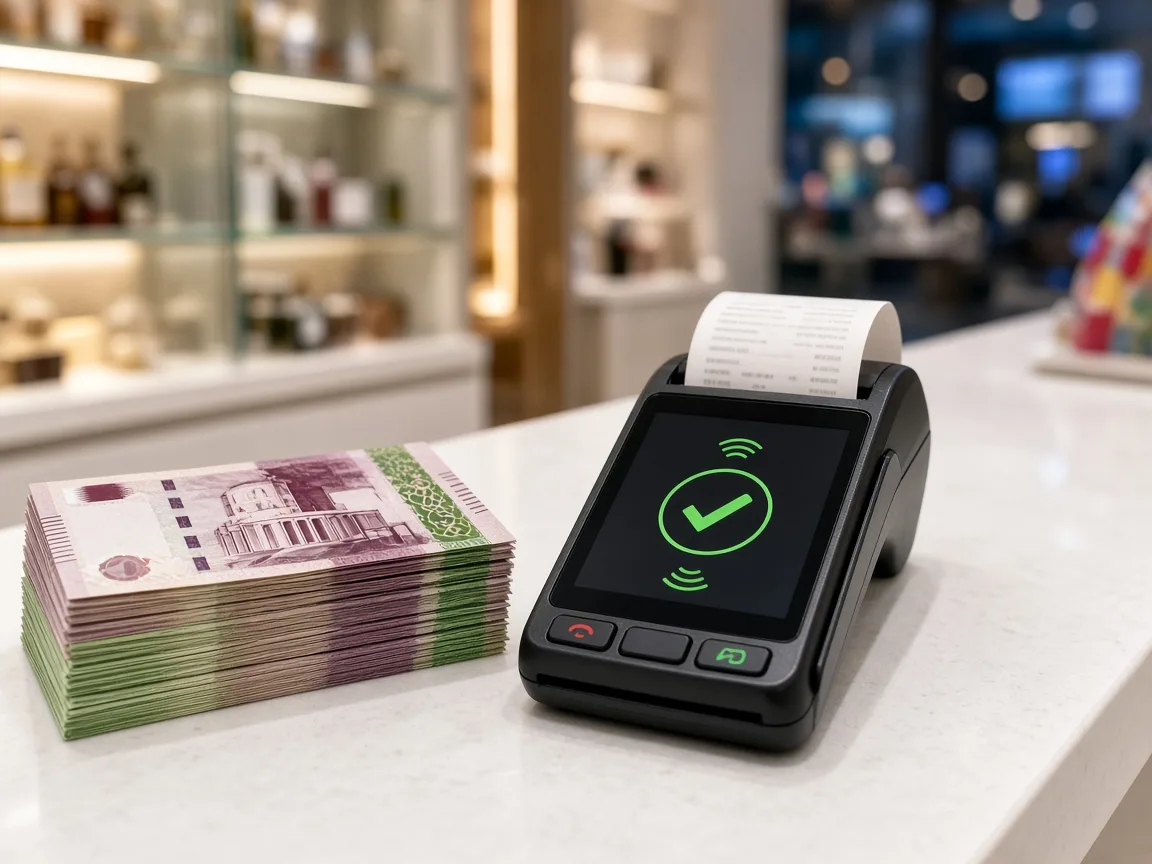
POS systems can be designed to display QAR prices and support compatible payment workflows. Payment acceptance depends on provider availability, merchant eligibility, terminal compatibility, and approved technical integrations.
Potential applicationQAR pricing, transaction records, supported payment integrations.

POS systems may process transaction records, employee information, and customer data. Security planning should consider relevant National Cyber Security Agency guidance and any additional obligations applicable to the business.
Potential applicationAccess controls, security monitoring, incident response planning.
A POS development project requires a practical understanding of checkout processes, payment handling, inventory requirements, and daily reporting. Clear communication and structured planning can help businesses assess what their proposed solution needs to support.
We wanted a clearer way to manage product sales, stock updates, and daily reporting. The planning discussions helped us identify the checkout features and inventory workflows that needed to be included in the proposed system.
Our priority was connecting order entry, billing, and kitchen communication in a practical workflow. Reviewing the user roles and transaction requirements helped us understand the scope before moving towards implementation.
We needed more consistent reporting across multiple locations. Discussing branch permissions, centralised product records, and sales reports helped clarify the requirements for a multi outlet POS platform.
POS software connects customer transactions with important business processes. Techanic Infotech QA can help plan a solution around your checkout workflows, inventory requirements, payment integrations, and reporting needs.
We begin by understanding how your business handles sales, discounts, returns, stock, and daily reconciliation. This helps establish the essential features and identify dependencies before development starts.
We plan functionality around the way your team operates. Retail counters, restaurants, supermarkets, and multi location businesses may require different checkout processes, permissions, and reporting capabilities.
We assess the payment services and terminals required for your solution. Integration feasibility depends on provider documentation, merchant eligibility, technical access, and supported transaction workflows.
We plan how sales, returns, stock adjustments, and product records should interact. This helps establish consistent transaction rules and reporting requirements across the POS system.
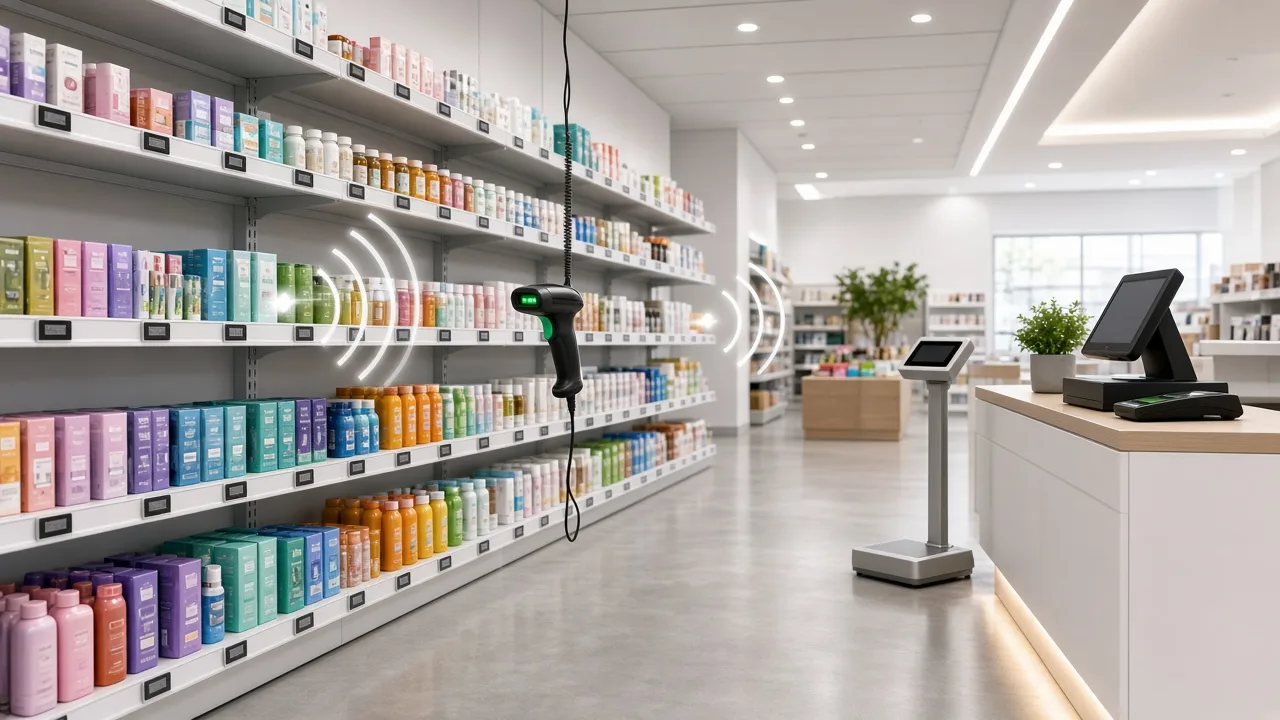
We consider supported operating systems, receipt printers, barcode scanners, cash drawers, and other required peripherals. Device compatibility should be confirmed through documentation and testing before deployment.
We plan testing around checkout workflows, pricing rules, discounts, refunds, permissions, payment responses, and reporting accuracy. Acceptance criteria help stakeholders evaluate whether the system is ready for use.
We consider QAR pricing, relevant payment arrangements, Arabic and English interface needs, and applicable data protection obligations. Additional sector specific requirements should be assessed before finalising the solution.
We can help define support arrangements for defect resolution, security updates, performance monitoring, and future functionality. The agreed support scope should clearly describe responsibilities and response expectations.
New technologies can extend POS capabilities, but they should be introduced only when they solve a defined business problem. Techanic Infotech QA can assess possible enhancements based on transaction requirements, hardware support, data quality, security, and operating costs. Evaluate each proposed enhancement against business value, security, compatibility, reliability, and ongoing maintenance costs.
Tap a technology below to switch details
AI can support selected tasks such as sales information search, customer service assistance, and document processing. Outputs should be evaluated for accuracy, and sensitive decisions should retain appropriate human oversight. Use cases: sales information assistants, product search, support workflows.
POS systems handle transaction information and may process personal data, employee activity records, and commercially sensitive information. Security and compliance should be considered from initial requirements through implementation and ongoing maintenance.
Assess how the POS system collects, processes, stores, and shares customer and employee information. Consider applicable requirements under Qatar's Personal Data Privacy Protection Law, including relevant obligations for transparency, security, retention, and individual rights.
Use payment integrations supported by the selected provider and avoid storing sensitive payment information unless the business has the necessary authorisation and compliant architecture. Where possible, rely on approved payment terminals or provider managed payment components.
Assign permissions according to employee responsibilities. Restrict access to sensitive operations such as refunds, discounts, transaction voids, price changes, and system administration.
Implement suitable authentication and account management controls. Consider multifactor authentication for administrative accounts and secure procedures for password recovery and employee access changes.
Assess encryption for data in transit and at rest, secure credential management, and appropriate handling of transaction records. Controls should reflect the system architecture and the sensitivity of the information processed.
Maintain appropriate records of transactions, refunds, voids, permission changes, and administrative activity. Logging should support investigation and accountability without collecting unnecessary personal information.
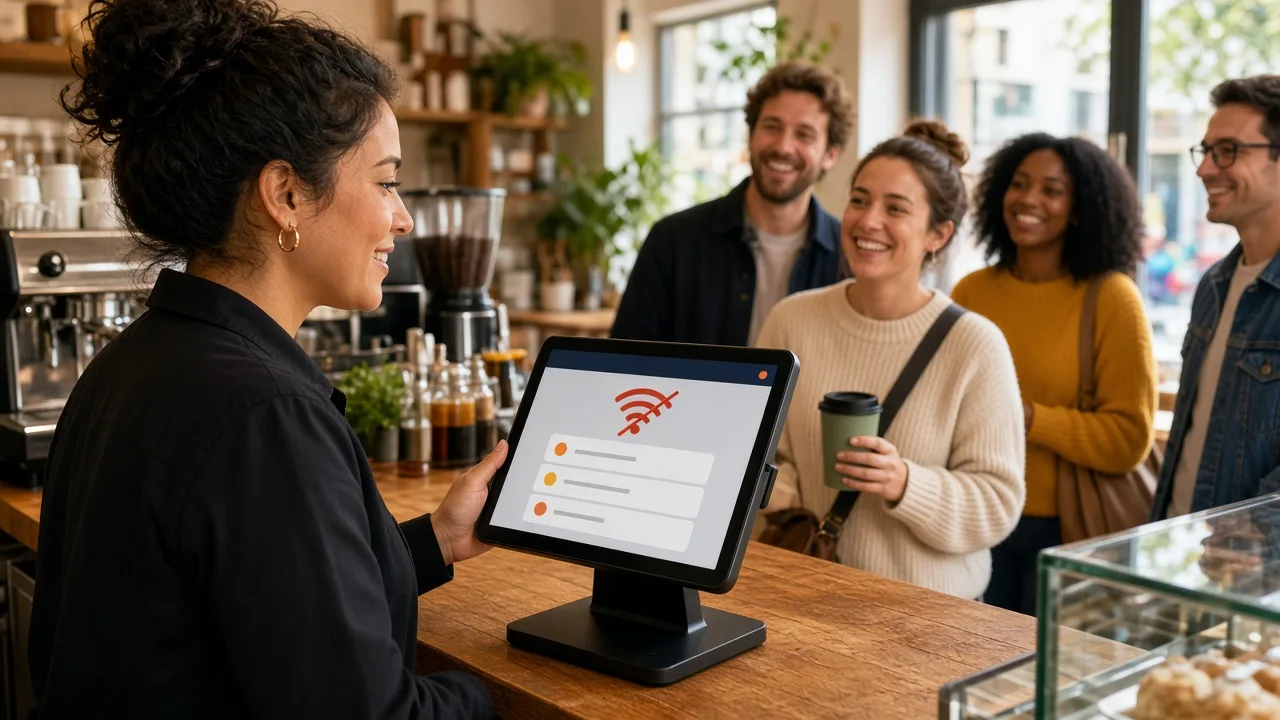
Define backup frequency, retention requirements, recovery objectives, and restoration testing. Multi location businesses should understand how each outlet can continue operating and how records will be reconciled after interruptions.
Payment processing may involve provider rules, merchant agreements, and applicable Qatar Central Bank requirements depending on the business activity and service arrangement. Confirm the relevant obligations before finalising the payment architecture.
A structured process helps ensure that a POS system supports the full transaction journey, from product selection to payment confirmation, inventory updates, and reporting. Each stage includes defined activities and review points to reduce uncertainty during implementation.
Phase 1
Deliverable: Requirements document and proposed POS scope.
We review how your business handles checkout, pricing, discounts, returns, payment methods, and daily reconciliation.
We identify the required terminals, printers, scanners, payment services, inventory systems, and other connected applications.
We separate essential checkout functions from additional capabilities such as loyalty programmes, advanced analytics, and multi branch management.
POS projects differ in complexity, hardware requirements, integration dependencies, and internal technical capacity. The engagement model should establish responsibilities, budget controls, delivery expectations, and the approach to handling changes.
Best forProjects with clearly defined checkout workflows and deliverables.
A fixed scope engagement establishes the agreed features, integrations, milestones, acceptance criteria, and commercial terms before development begins. Changes outside the agreed scope are assessed separately.
Suitable projects
Best forBusinesses building or continuously improving a POS platform.
A dedicated team provides agreed technical resources for development, integrations, testing, and enhancements. Team composition depends on the required skills, project priorities, and expected duration.
Suitable projects
Best forProjects where requirements may evolve as the system is tested and refined.
This model charges according to agreed rates and the work performed. Regular progress reviews and budget monitoring help businesses assess changing priorities and additional requirements.
Suitable projects
Best forBusinesses with an existing technical team that needs additional expertise.
Staff augmentation can add developers, integration specialists, or quality assurance professionals to an existing team. Define responsibilities, communication practices, management ownership, and working arrangements before the engagement begins.
Suitable projects
POS software development cost in Qatar depends on checkout functionality, payment integrations, hardware compatibility, inventory management, reporting requirements, and the number of business locations. Techanic Infotech QA can help define a suitable project scope and budget according to your operational needs.
The following figures are indicative planning estimates, not a confirmed quotation or official company price list.
QAR 20,000 to QAR 50,000
Suitable forSmall retailers, independent cafes, and businesses that need essential checkout functionality.
A basic POS solution generally focuses on product management, sales transactions, receipts, and straightforward reporting.
Typical timeline6 to 10 weeks
QAR 50,000 to QAR 90,000
Suitable forRestaurants, supermarkets, growing retailers, and businesses with more advanced operational requirements.
This level may include inventory integration, multiple user roles, payment provider connections, and more detailed reporting.
Typical timeline10 to 16 weeks
QAR 90,000 to QAR 150,000+
Suitable forMulti branch retailers, franchise operators, large hospitality businesses, and organisations with complex requirements.
Enterprise projects may involve centralised management, advanced permissions, multiple integrations, specialised reporting, and more extensive testing.
Typical timeline16 to 28 weeks or longer
Budget Recommendation: Start with the essential checkout and reporting requirements. Add advanced features after identifying their business value and integration dependencies.
Choosing a POS development approach requires comparing functionality, payment compatibility, device support, integration options, ownership, and ongoing costs. The best choice depends on how closely an available solution fits your business operations.
Best forBusinesses evaluating custom POS development and tailored integrations.
Potential advantages
What to verifyRelevant project experience, supported devices, payment integration feasibility, project scope, code ownership, and support terms.
Best forSmall projects with limited functionality and clear requirements.
Independent developers may provide direct communication and flexible arrangements. However, device compatibility, payment integration expertise, documentation, and long term support can vary.
What to verifyTransaction processing experience, technical availability, testing practices, source code rights, and maintenance arrangements.
Best forBusinesses whose checkout and reporting needs match an existing product.
Ready made POS platforms may provide established checkout features and supported hardware. Licensing, customisation limits, provider dependencies, and additional module costs should be considered.
What to verifySupported devices, payment providers, inventory integration, subscription costs, data export, and customer support.
Best forLarge retail or hospitality operations with complex integration and governance needs.
Larger providers may offer extensive technical capabilities and implementation resources. Their proposed delivery structure and commercial terms should be evaluated against your actual requirements.
What to verifyProject team composition, implementation scope, system compatibility, service commitments, and total cost.
POS requirements change as transaction volumes grow, product ranges expand, and new locations open. Planning functionality according to business maturity can help control initial costs while preparing for future needs.

New businesses often need essential checkout features and clear transaction records before investing in advanced management functions.
Recommended modules
Planning focusEstablish a reliable checkout workflow with room for future improvements.
POS technology choices should reflect transaction volume, device compatibility, payment requirements, data structure, security expectations, and maintenance needs. Techanic Infotech QA can evaluate suitable technologies according to the intended deployment and business workflow.
Swipe or tap arrows to browse tech categories
Suitable for browser based POS interfaces, administrative dashboards, product management, and reporting tools.
Discuss your checkout workflows, payment requirements, inventory needs, and reporting goals with Techanic Infotech QA to plan a practical POS solution for your operations in Qatar.

Explore practical topics to help evaluate POS investments, plan payment integrations, and choose functionality that fits your business operations.
Browse by topic
5 questions · 25 total
Share your business requirements with Techanic Infotech QA to explore a POS solution tailored to your checkout workflows, payment needs, inventory operations, and business goals.
As a POS software development company in Qatar, we help businesses plan suitable point of sale systems based on their operational requirements and budget.
Tell us a little about your project so our team can understand your requirements.
Privacy note: Provide only the information needed to discuss your project. Review the published privacy policy before submitting personal or business information.