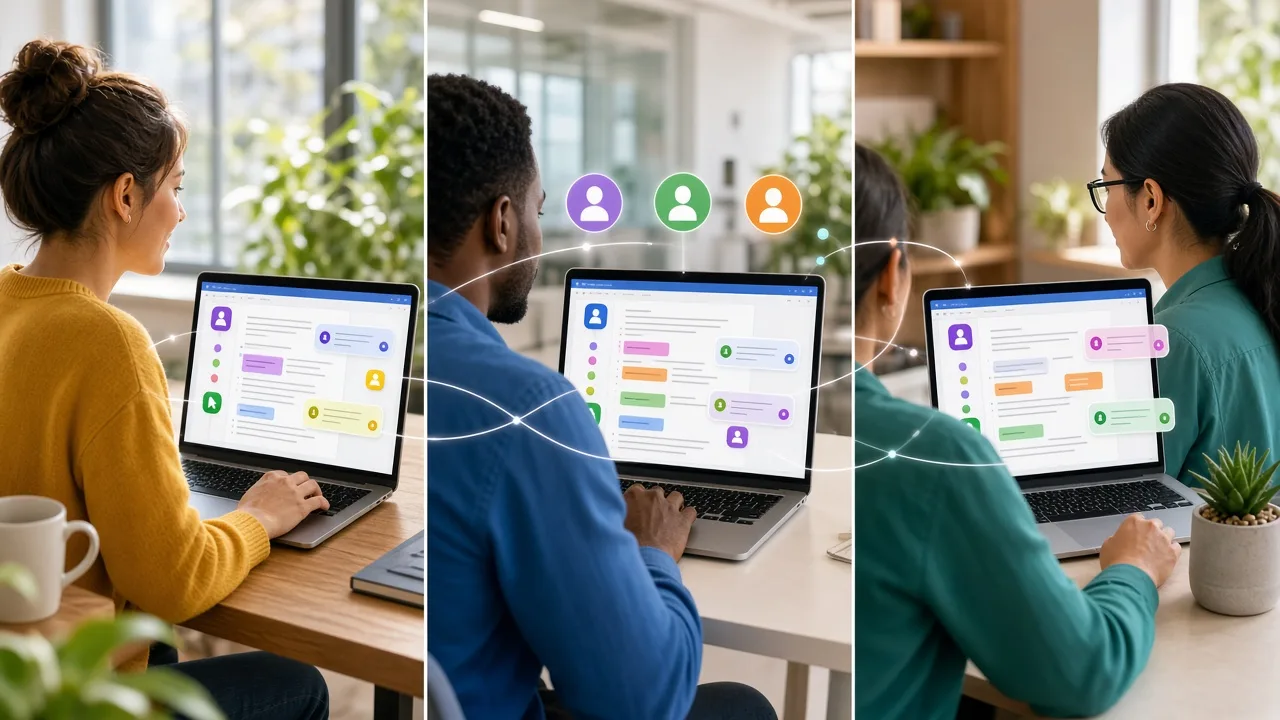
730+
Satisfied Customers
Company stated experience supporting clients with different digital requirements.

Content Management Solutions
Manage digital content more efficiently with Techanic Infotech QA, a CMS development company in Qatar helping businesses build flexible, secure, and easy to manage content platforms.
Our CMS development services support organisations that need greater control over website content, publishing workflows, user permissions, digital assets, and integrations. From custom content management systems to enterprise platforms and headless CMS architectures, we develop solutions around your operational requirements.
Whether you are launching a new website, modernising an existing publishing platform, or connecting content with multiple digital channels, our team can help plan a CMS that supports your business objectives.
Techanic Infotech QA brings software development experience and structured delivery practices to organisations seeking reliable content management solutions.
730+
Company stated experience supporting clients with different digital requirements.
70+
A multidisciplinary team covering application development, interface engineering, integrations, and technical implementation.
5+
Company stated experience in delivering digital solutions and supporting evolving business needs.
99%
A company stated retention figure reflecting its focus on continuing client relationships.
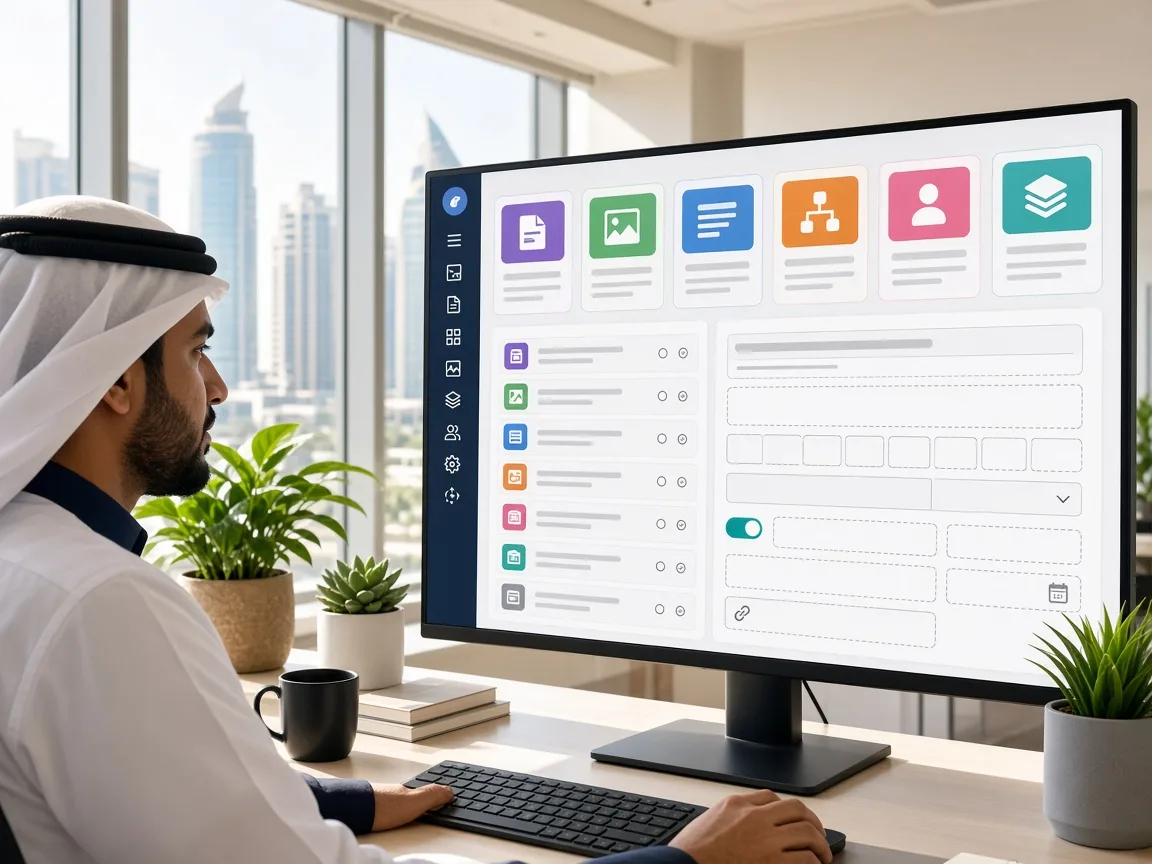
Our CMS development services help businesses organise, publish, update, and distribute digital content through platforms tailored to their teams and workflows.
Tap a service to view details, features, and next steps.
Build a content management system around your business requirements, content structure, administrative workflows, and user permissions. Custom CMS development is useful when standard platforms do not meet specific operational needs.
Give your team more control over digital content with a CMS designed around your publishing process, approval requirements, and business operations.
Techanic Infotech QA can help you assess your current content workflow, identify limitations, and plan a content management solution that supports reliable publishing and future improvements.

Explore representative CMS solution concepts that demonstrate how content management technology can support different digital operations. These are illustrative examples, not claims of completed client projects.
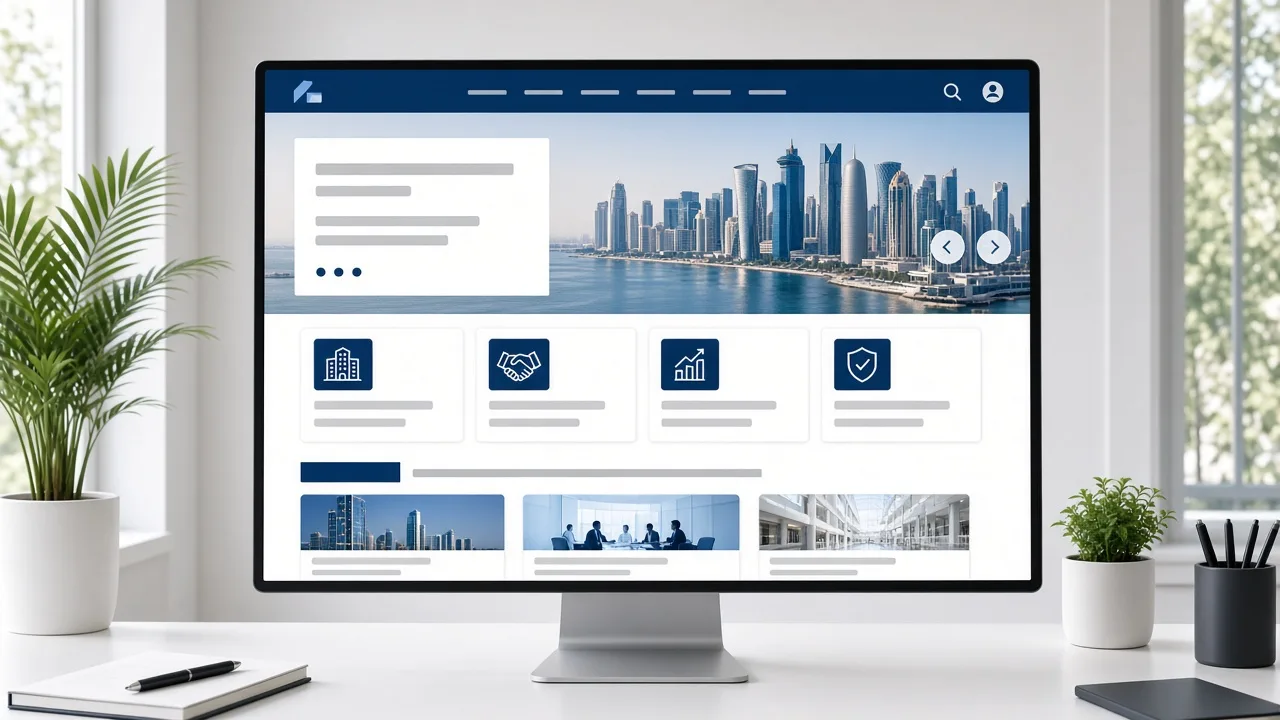
Corporate CMSConcept
A centralised platform for managing service pages, company information, news, landing pages, and reusable content components.
A successful CMS requires more than a content editor. It needs a well planned content model, appropriate security controls, dependable integrations, and workflows that suit the people using it.
We identify content types, publishing responsibilities, approval stages, user roles, and business objectives before defining the platform architecture.
We aim to make routine content editing understandable for authorised users through clear interfaces, reusable templates, and consistent publishing controls.
We organise content structures and relationships to support current needs while leaving room for new pages, content types, and digital channels.
We consider authentication, permissions, secure data handling, dependency management, and administrative access throughout the development lifecycle.
We assess how the CMS will exchange data with existing business systems, including available APIs, authentication methods, and data ownership requirements.
We prioritise clear technical structure, appropriate documentation, and testing practices that make future enhancements and maintenance more manageable.
We define project milestones, deliverables, review stages, and acceptance criteria so stakeholders can understand the scope and evaluate progress.
A well designed content management system helps businesses in Qatar manage digital information more consistently, simplify publishing tasks, and respond to changing content requirements without unnecessary technical complexity.
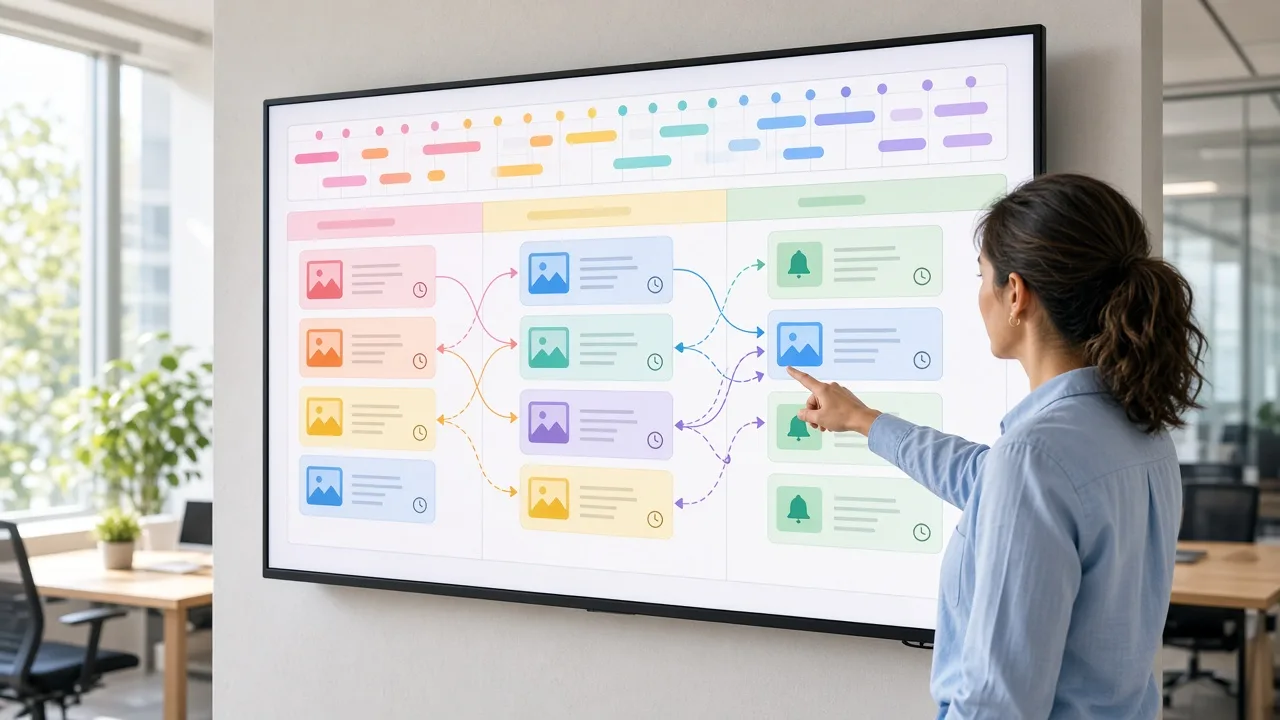
Structured editorial workflows and reusable templates help authorised teams create, review, and publish content more efficiently. Routine updates can often be completed without developer involvement.
Centralised content structures and shared design components help maintain consistent messaging, layouts, and visual standards across pages and digital channels.
Content assignments, review stages, approval rules, and publishing permissions can help marketing teams, editors, and subject matter experts coordinate their work.
Role based permissions allow administrators to define who can create, edit, review, approve, or publish different types of content.
A CMS can organise language specific content, translation status, and publishing workflows for Arabic and English audiences in Qatar.
Reusable content components and centralised asset management can reduce duplication and make updates easier to coordinate across a website.
A suitable CMS architecture can support new sections, additional content types, integrations, and digital channels as requirements evolve.
Version history, approval workflows, and editorial guidelines can improve accountability and help teams maintain more reliable content.
Organisations across Qatar need content platforms that support accessible digital services, multilingual communication, responsible data handling, and efficient collaboration. CMS development should account for these needs during planning and implementation.

A well planned CMS can support digital service improvements, knowledge sharing, and efficient organisational communication. Project goals should translate these broad priorities into practical outcomes, such as better access to information and more efficient publishing.
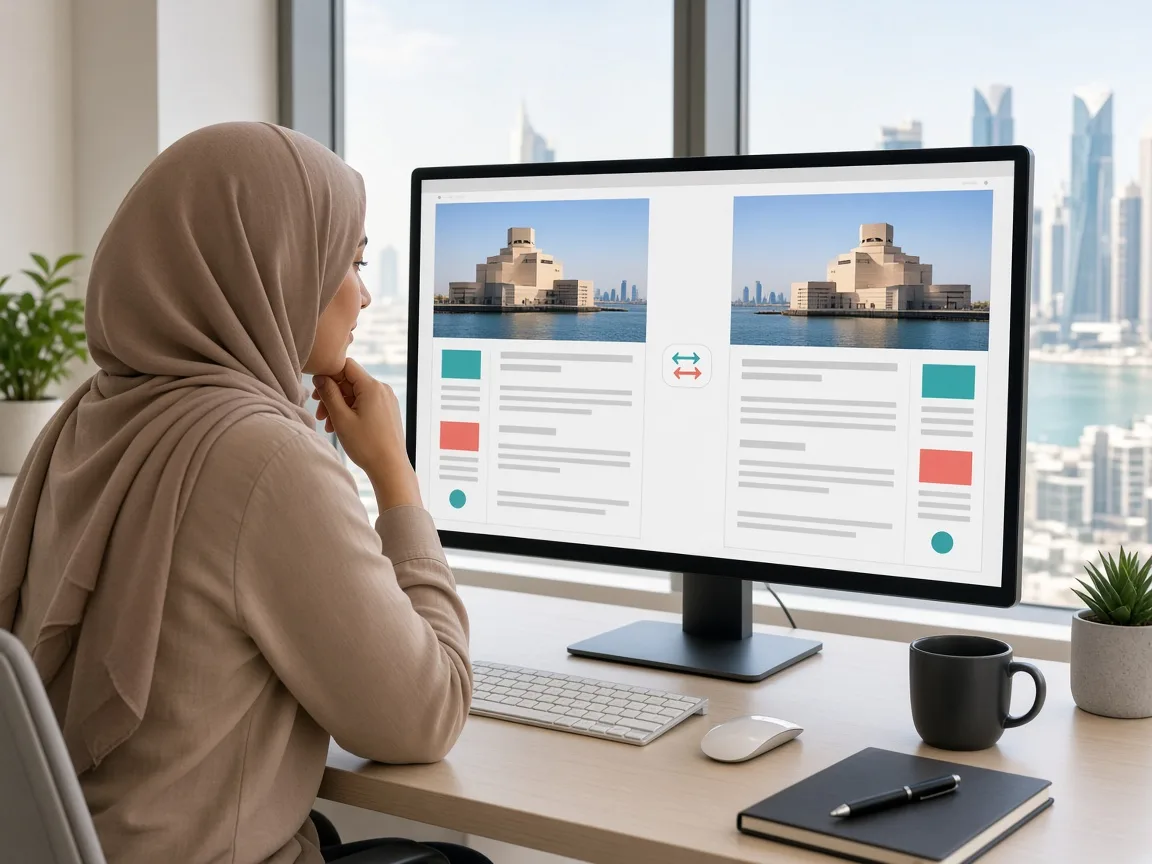
We plan language specific content structures, translation workflows, Arabic right to left layouts, and appropriate typography. Editors should be able to review both language versions before publication.
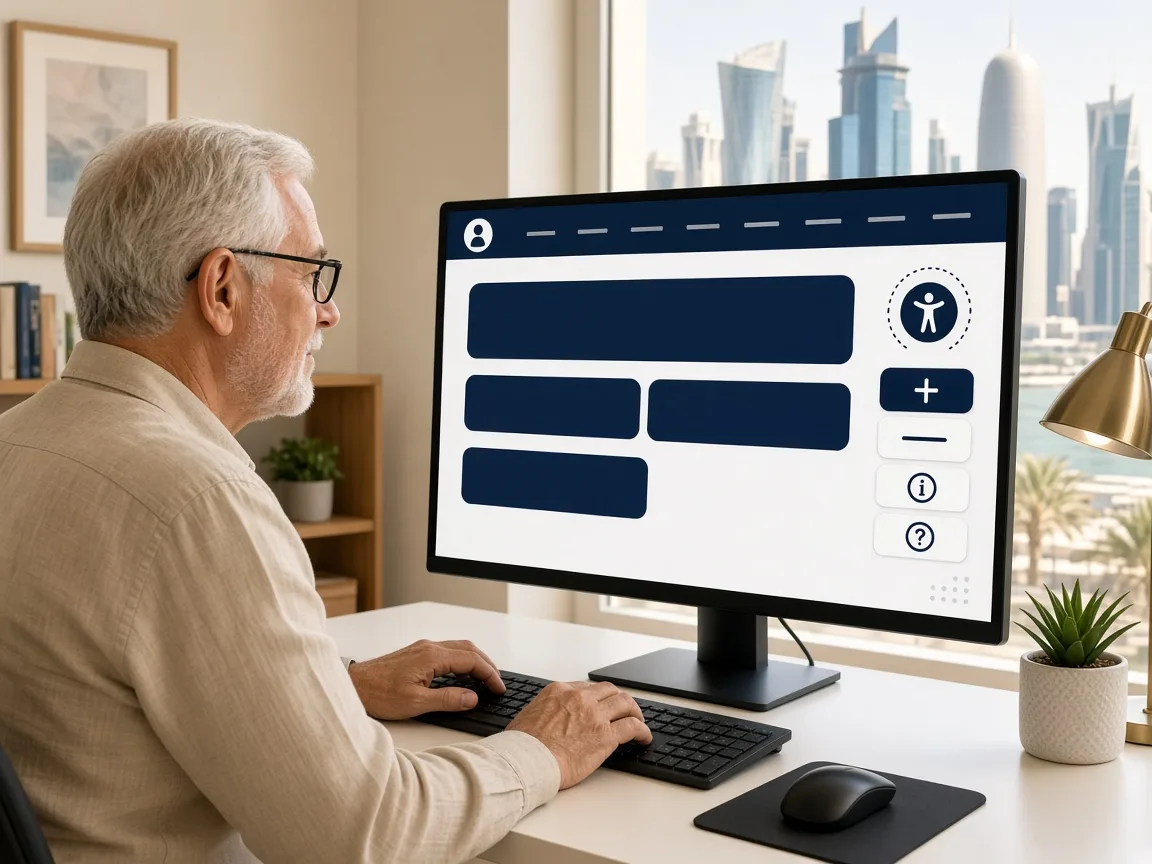
CMS templates and editorial controls can encourage accessible headings, descriptive links, alternative text for images, readable page structures, and keyboard friendly interactions.

Content platforms that collect or display personal information should be assessed against Qatar's applicable Personal Data Privacy Protection Law and any relevant sector requirements. Access permissions and data collection practices should reflect the purpose of the platform.

A CMS can connect with approved CRM, ERP, ecommerce, analytics, and customer service platforms through suitable APIs. Integration planning should account for data ownership, authentication, and error handling.

Hosting decisions should consider content sensitivity, expected traffic, availability, contractual obligations, and applicable regulations. Local or regional infrastructure should be evaluated where appropriate rather than assumed to be mandatory for every project.

Businesses with multiple departments may benefit from defined publishing roles, review processes, version control, and content retention policies that suit their internal governance requirements.
Hear from businesses in Qatar that worked with Techanic Infotech QA on content management projects.
Our content team needed a more organised way to update website pages and manage Arabic and English content. A structured CMS could help us reduce duplicated work and make the review process clearer.
We wanted different departments to manage their own content while keeping publishing permissions under control. A well planned approval workflow would make collaboration easier and help maintain consistent information.
Our website content was spread across several sections, making updates difficult to coordinate. A centralised platform with reusable components could help our team manage changes more consistently.
Choosing a CMS development company in Qatar requires evaluating its ability to understand content workflows, build maintainable platforms, protect administrative access, and support future improvements.
We identify your content types, publishing roles, approval requirements, existing tools, and business goals before recommending a suitable implementation approach.
We focus on clear editorial interfaces, understandable publishing controls, reusable templates, and workflows that help authorised users manage content confidently.
We assess traditional CMS, headless CMS, and custom CMS approaches according to the project's content structure, delivery channels, integration needs, and internal capabilities.
We plan Arabic and English content workflows, right to left presentation, language specific metadata, and translation review where required.
We evaluate connections with existing platforms and services, taking into account API availability, authentication, data synchronisation, and operational constraints.
We consider user permissions, administrative authentication, secure configuration, software dependencies, and appropriate protection for confidential information.
We define milestones, deliverables, review points, testing responsibilities, and acceptance criteria to help stakeholders track progress.
We can plan maintenance, platform updates, performance reviews, security improvements, and additional features according to the agreed support arrangement.
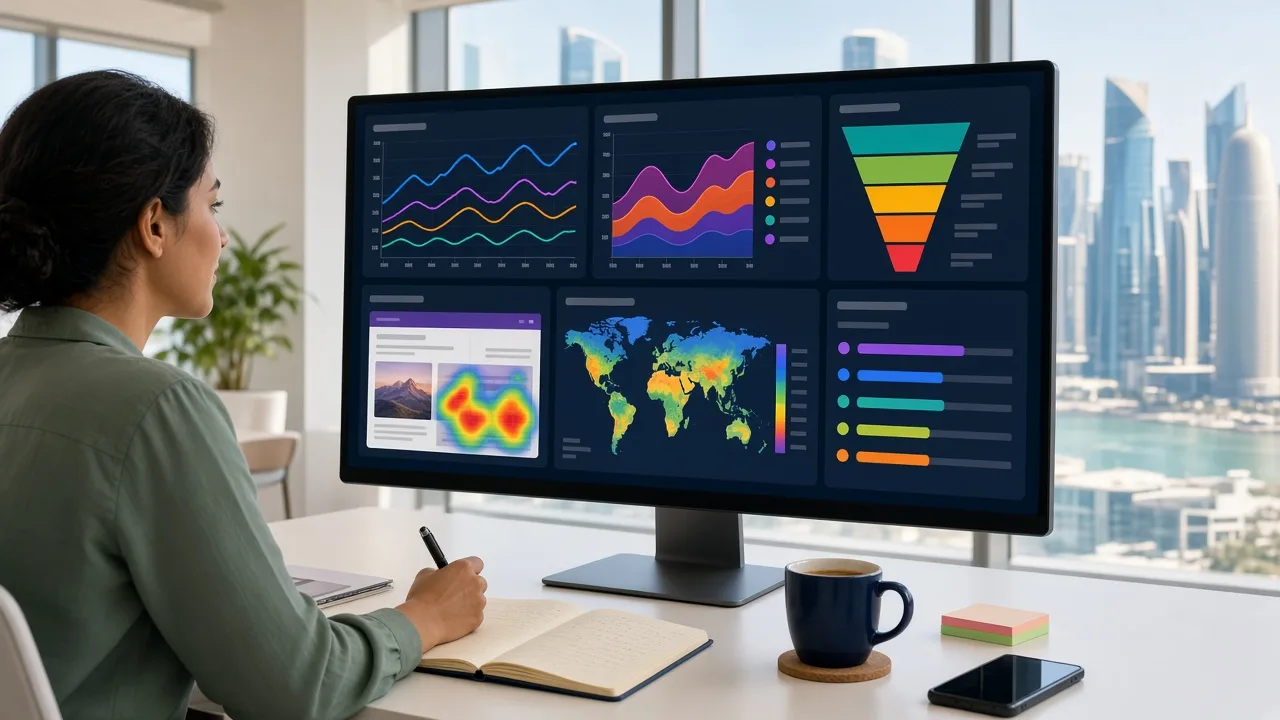
Modern content management platforms can use flexible architectures and automation to improve how organisations create, manage, and distribute digital content. The right capabilities depend on business needs and technical readiness.
Tap a technology below to switch details
A headless CMS separates content management from the presentation layer. APIs can deliver structured content to websites, mobile applications, and other supported channels.
A CMS often contains administrative access, unpublished material, business documents, and potentially personal information. Security needs to be built into the platform architecture and maintained throughout its lifecycle.
Use appropriate authentication controls, strong password policies, and multifactor authentication where suitable. Restrict administrative access to authorised users.
Define permissions according to job responsibilities. Editors should receive only the access needed for their tasks, while sensitive administrative actions remain restricted.
Validate inputs, enforce server side authorisation, protect API endpoints, and avoid exposing confidential data through public content interfaces.
Keep CMS core software, plugins, libraries, and supporting components updated. Review third party extensions carefully before adding them to a production environment.
Establish suitable backup schedules, access controls, retention periods, and restoration tests. Recovery plans should reflect the importance of the content and the business impact of downtime.
Apply appropriate controls against issues such as cross site scripting, injection attacks, cross site request forgery, and insecure file uploads.
Assess relevant obligations under Qatar's Personal Data Privacy Protection Law and any applicable sector specific requirements. Organisations should obtain appropriate legal or compliance guidance for their circumstances.
Where required, maintain records of important administrative changes, publishing approvals, and access events. Retention and monitoring should follow a defined governance policy.
Use suitable code reviews, dependency checks, configuration reviews, and security testing before launch. Continue monitoring and applying updates after deployment.
Techanic Infotech QA uses a structured process to connect business requirements with content modelling, design, engineering, quality assurance, and launch planning.
Phase 1
Identify business objectives and content management challenges.
Audit existing websites, CMS platforms, and content sources.
Define content types, user roles, and approval workflows.
Establish scope, integrations, and acceptance criteria.
Different businesses need different levels of development support. Techanic Infotech QA can structure a CMS engagement according to project scope, internal resources, technical complexity, and maintenance expectations.
Suitable when requirements, deliverables, and acceptance criteria are clearly defined. This model provides an agreed baseline for cost, milestones, and responsibilities.
Suitable for larger CMS platforms or ongoing digital programmes requiring continued collaboration across frontend engineering, backend development, UI UX design, and quality assurance.
Suitable for businesses with an existing technical team that needs additional support for CMS configuration, custom modules, integrations, migration, or performance improvements.
Suitable for organisations evaluating traditional CMS, headless CMS, or custom development. The engagement can focus on architecture, platform selection, integration risks, and implementation planning.
Suitable for businesses moving content from a legacy system or replacing an existing platform. Scope can include content mapping, migration scripts, media transfer, URL planning, and validation.
Suitable for launched CMS platforms that require security updates, dependency management, technical support, performance optimisation, and new features.
The cost of CMS development in Qatar depends on the platform architecture, content complexity, custom functionality, integrations, migration requirements, and security controls.
The following estimates are indicative planning ranges in Qatari riyals. The final quotation depends on the agreed requirements and implementation scope.
QAR 20,000 to QAR 40,000
Suitable forSmall businesses that need a manageable website and straightforward publishing workflows.
Typical inclusions
QAR 40,000 to QAR 90,000
Suitable forGrowing businesses that need custom content structures, multilingual publishing, integrations, and more advanced editorial workflows.
Typical inclusions
QAR 90,000 to QAR 150,000+
Suitable forEnterprises and complex digital platforms requiring customised architecture, extensive integrations, and sophisticated content governance.
Typical inclusions
Begin with the content types and workflows that are essential for launch. Identify the integrations, user roles, migration requirements, and language support needed for the first release.
Techanic Infotech QA can help break the project into manageable phases, prioritise essential features, and establish an estimate based on the agreed scope.
Selecting a CMS development partner requires comparing technical capabilities, implementation methods, communication practices, and ongoing support arrangements.
Look for a clear understanding of traditional CMS platforms, headless architecture, content modelling, publishing workflows, and integration requirements.
Ask how the team will map existing content, preserve important metadata, manage redirects, validate migrated records, and reduce the risk of information loss.
Evaluate how the proposed solution handles authentication, role based permissions, administrative security, software updates, and sensitive content.
If your business serves Arabic and English audiences, check how language versions, translation workflows, right to left layouts, and language specific metadata will be managed.
Discuss the proposed approach for connecting the CMS with existing business systems, including API availability, authentication, data synchronisation, and error handling.
Confirm how the provider will test editorial workflows, content permissions, integrations, performance, accessibility, and browser compatibility.
A suitable proposal should define deliverables, assumptions, exclusions, project milestones, acceptance criteria, and the circumstances that may affect cost.
Review the arrangements for defect resolution, dependency updates, backups, monitoring, maintenance, and future feature development.
Techanic Infotech QA offers CMS planning, custom development, integration support, migration assistance, and maintenance options. Our approach focuses on selecting a solution that fits your content workflows and business goals.
Before choosing any provider, compare written proposals, assess relevant experience, clarify ownership of code and content, and agree on the responsibilities for deployment and ongoing support.
A suitable CMS should reflect your current content needs while providing a practical path for future development.

Startups often need a manageable digital presence that allows a small team to publish updates without complex administration.
Potential features
The best technology stack depends on the content model, expected traffic, publishing requirements, integration needs, and the team's ability to maintain the platform.
Swipe or tap arrows to browse tech categories
Each option has different strengths in content modelling, administration, extensibility, hosting, and integration. Platform selection should follow a requirements assessment.
Your content platform should make publishing easier, not create more administrative work. Techanic Infotech QA can help you define the right CMS architecture, organise content structures, and plan integrations around your team's requirements.
Whether you need a corporate website CMS, multilingual publishing platform, headless CMS, or enterprise content management system, we can help identify a practical development approach.

Understanding content management architecture, governance, and platform capabilities can help organisations make more informed technology decisions.
Browse by topic
5 questions · 25 total
Tell Techanic Infotech QA about your content management requirements, publishing workflows, and business objectives. We can help you identify a suitable CMS approach, define essential features, and estimate the development scope.
As a CMS development company in Qatar, we help businesses plan custom content management systems, multilingual websites, headless CMS platforms, and enterprise publishing solutions.
Share your details to prepare an initial project enquiry.
Privacy note: Please provide only the information necessary to discuss your project. Personal and business information should be handled according to applicable privacy requirements and the company's published privacy policy.